
First Beaver Kit Born on the West Glen River, Lincolnshire, in Over 400 Years
We’ve got some exciting news to share. For the first time in more than 400 years, a beaver kit has been born on the West Glen River at Boothby Wildland, Nattergal's first large-scale Nature restoration project in Lincolnshire.
First spotted on our wildlife cameras back in July, the newest member of our growing beaver family spent its first few months safely tucked away inside the lodge with mum. Now, the young kit is beginning to venture out and explore its new wetland home, providing a heartening sign that Nature is returning to the landscape.
The arrival marks a major milestone, not only for the beaver family itself but for the wider restoration of Boothby Wildland.
A New Generation on the West Glen River
Back in February, a family of four Eurasian beavers was released onto the West Glen River at Boothby Wildland. The family, consisting of mum, dad and two older kits, was carefully sourced from Scotland by the Beaver Trust and introduced as part of our long-term vision to restore natural processes across the site.
Just months later, the birth of a new kit confirms what we had hoped: the beavers have settled successfully into their new home and are already beginning to shape the landscape around them.
For a species that was once hunted to extinction in Britain, successful breeding is a significant achievement. It signals that the habitat is thriving and marks the beginning of a new generation of beavers on the West Glen River.
Nature Recovery in Action at Boothby Wildland
Located in Lincolnshire, Boothby Wildland is being transformed through a 30-year programme designed to restore natural processes, recover biodiversity and create a healthy, resilient landscape that delivers benefits for both Nature and people.
At the heart of this vision is England's largest beaver enclosure, spanning 200 hectares and secured by approximately 20,000 feet of perimeter fencing. Within this landscape, the beavers are free to do what they do best: engineer wetlands and restore natural hydrological processes.
By reintroducing beavers, the project aims to:
Restore the river's natural course
Create and expand wetlands
Improve water quality
Increase biodiversity
Generate the first watercourse Biodiversity Net Gain (BNG) units
Help reduce downstream flooding
Build greater resilience to climate change
Visit Boothby Wildland to see Nature recovery in action for yourself.
Nature's Ecosystem Engineers
Beavers are often referred to as ecosystem engineers because of their remarkable ability to transform landscapes. Through dam building, canal creation and tree management, they create diverse wetland habitats that support a wide range of species, from invertebrates and amphibians to birds and mammals.
As the beaver family continues its work along the West Glen River, these natural processes will help slow water flows, improve water retention, trap sediment and create the complex mosaic of habitats that wildlife depends upon.
The arrival of the new kit demonstrates that the conditions at Boothby Wildland are already supporting this natural cycle of recovery.
A Small Beaver, A Big Milestone
While the newest member of the family is still learning about the world around it, its arrival represents something much bigger. It is a powerful symbol of a landscape in recovery and proof that Nature-led restoration is beginning to deliver results.
More than four centuries after beavers disappeared from the West Glen River, a new generation has arrived.
For everyone involved in the restoration of Boothby Wildland, this is a moment worth celebrating and a reminder of what can be achieved when Nature is given the space and opportunity to return.
Welcome to Boothby Wildland, little one.
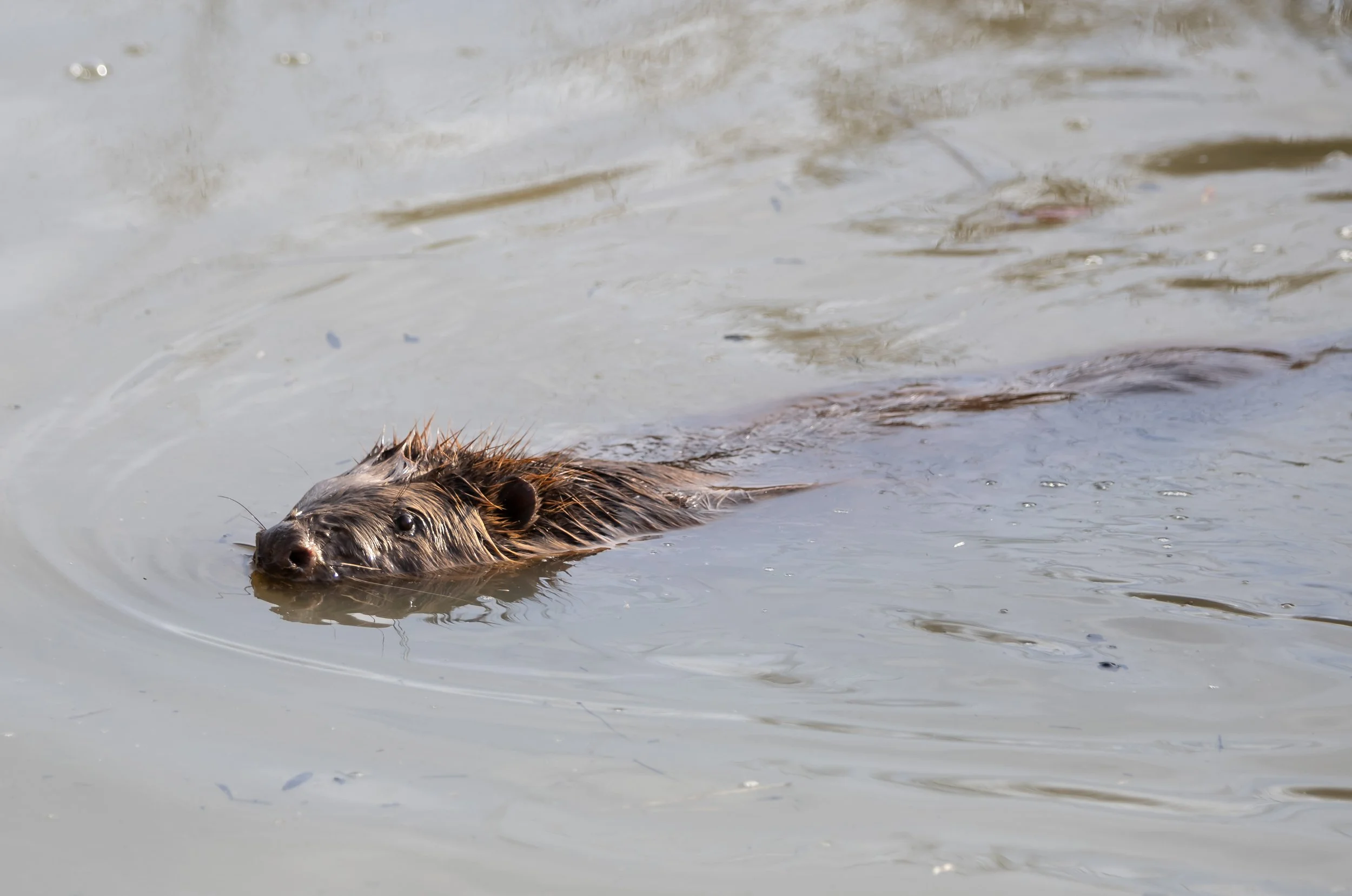
Photography: Jonathan Perugia for Nattergal