

Need High-Integrity Biodiversity Net Gain (BNG) Units for your Development?
Nattergal is a trusted provider of registered, high-integrity Biodiversity Net Gain units to housing, commercial and infrastructure developers across England.
We take the liability for BNG out of your hands, ensuring it is delivered to the highest integrity over the next 30+ years.
Secure compliant off-site biodiversity units from Nattergal and work directly with our ecological team to meet planning requirements.
✔ We cater for small & large volume requests.
✔ Over 2,700 high-integrity off-site units available on the BNG national register.
✔ BNG units available for purchase in Essex, Lincolnshire and Norfolk.
✔ Many habitat types available - from medium to high distinctiveness.
✔ No hidden fees and flexible payment options to suit your development needs
Contact us today for your free, no obligation quote.
Trusted by
Not all BNG is created equal
Our landscape-scale approach means Nattergal’s BNG units meaningfully contribute to biodiversity restoration and national commitments such a 30×2030.
Secure your BNG units in 4 steps
-
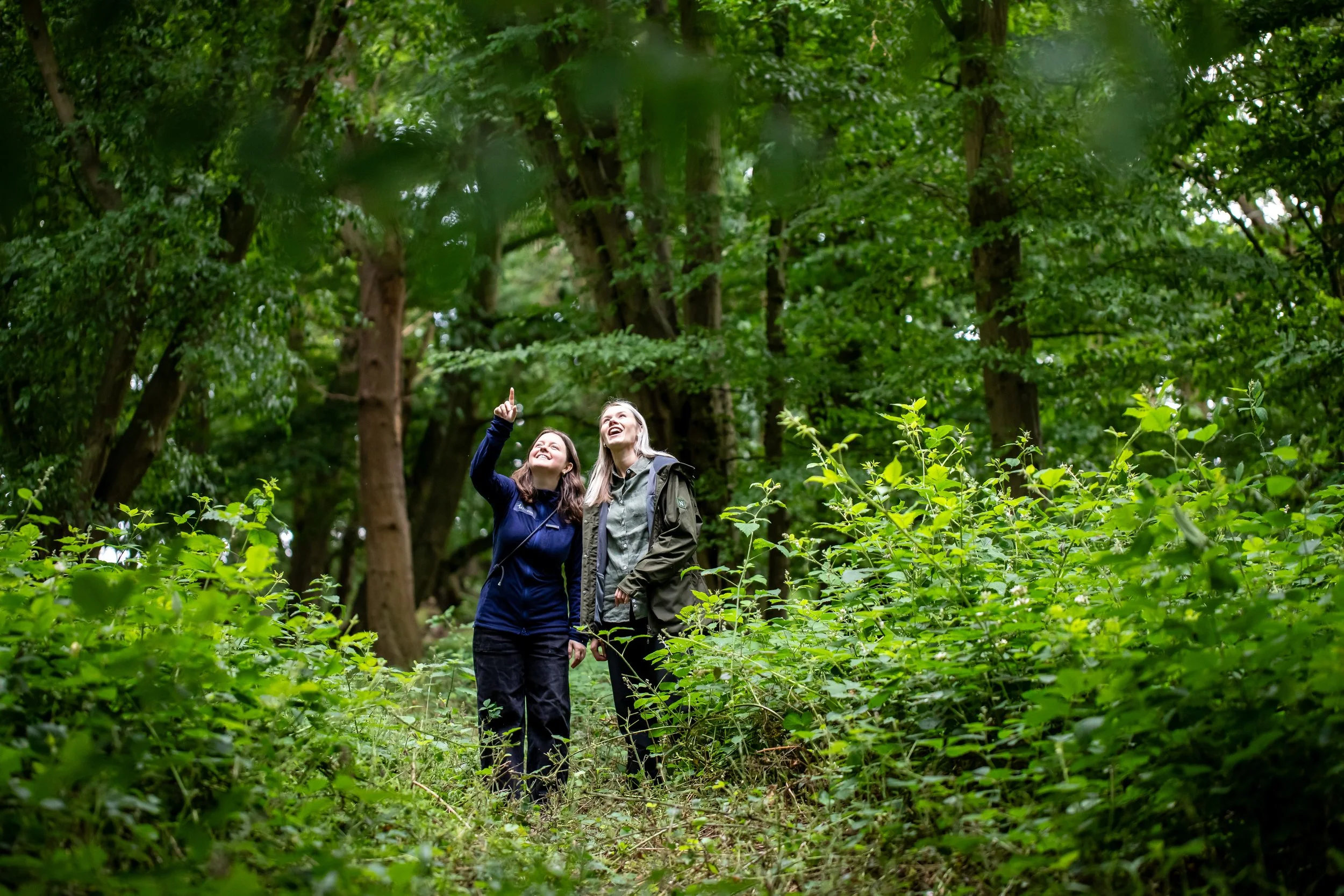
1. Send Us Your Biodiversity Metric
Provide your completed biodiversity metric and any supporting project information.
-
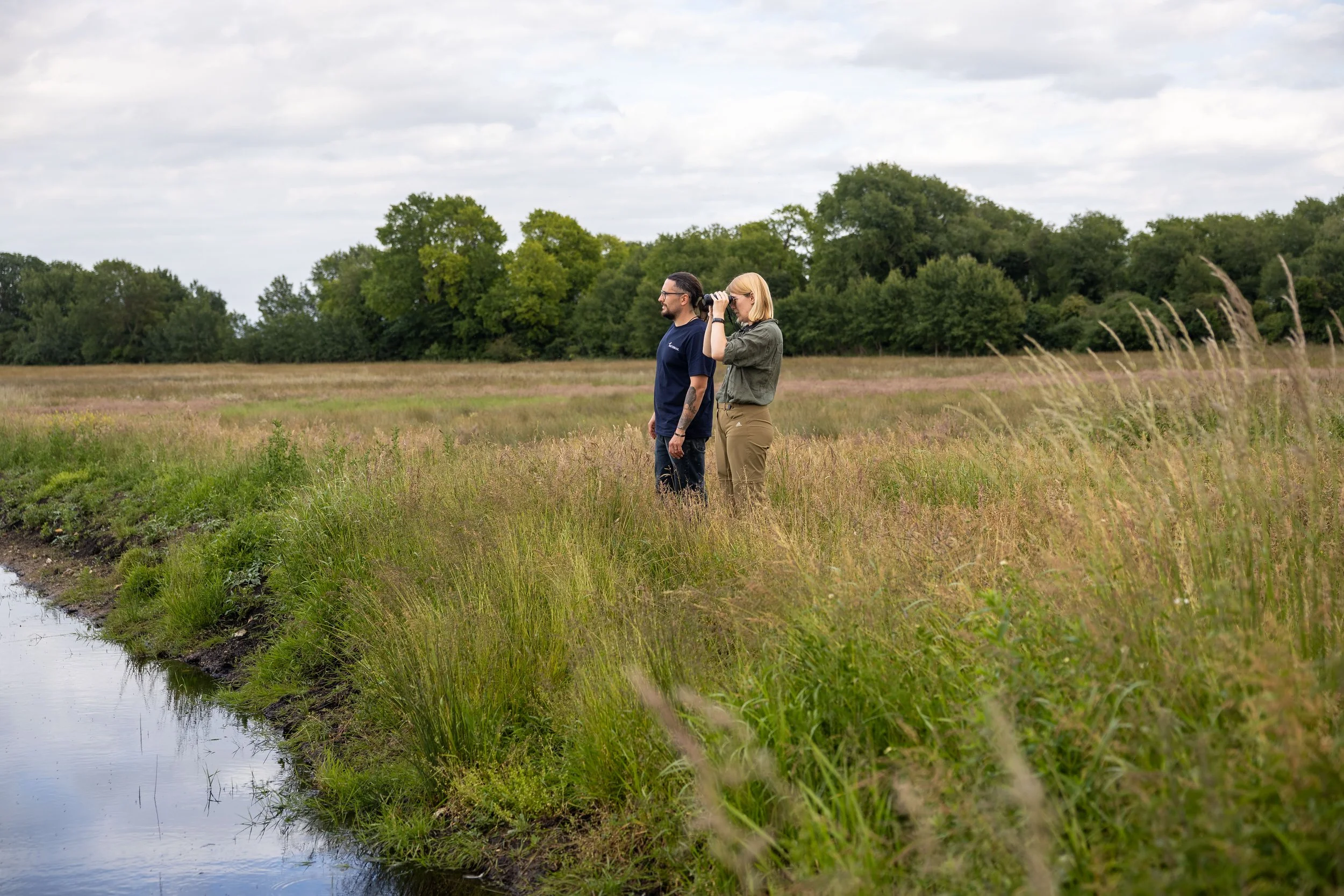
2. Ecologist Review & Quotation
Our in-house ecologist will review your metric and project requirements, then provide a tailored quote for the required BNG units to satisfy your metric.
-

3. Purchase Your BNG Units
Confirm you are happy with the quote, as well as project details, and we will issue an invoice for the purchase of your BNG units. Once payment is arranged, we will begin the contracting process.
-
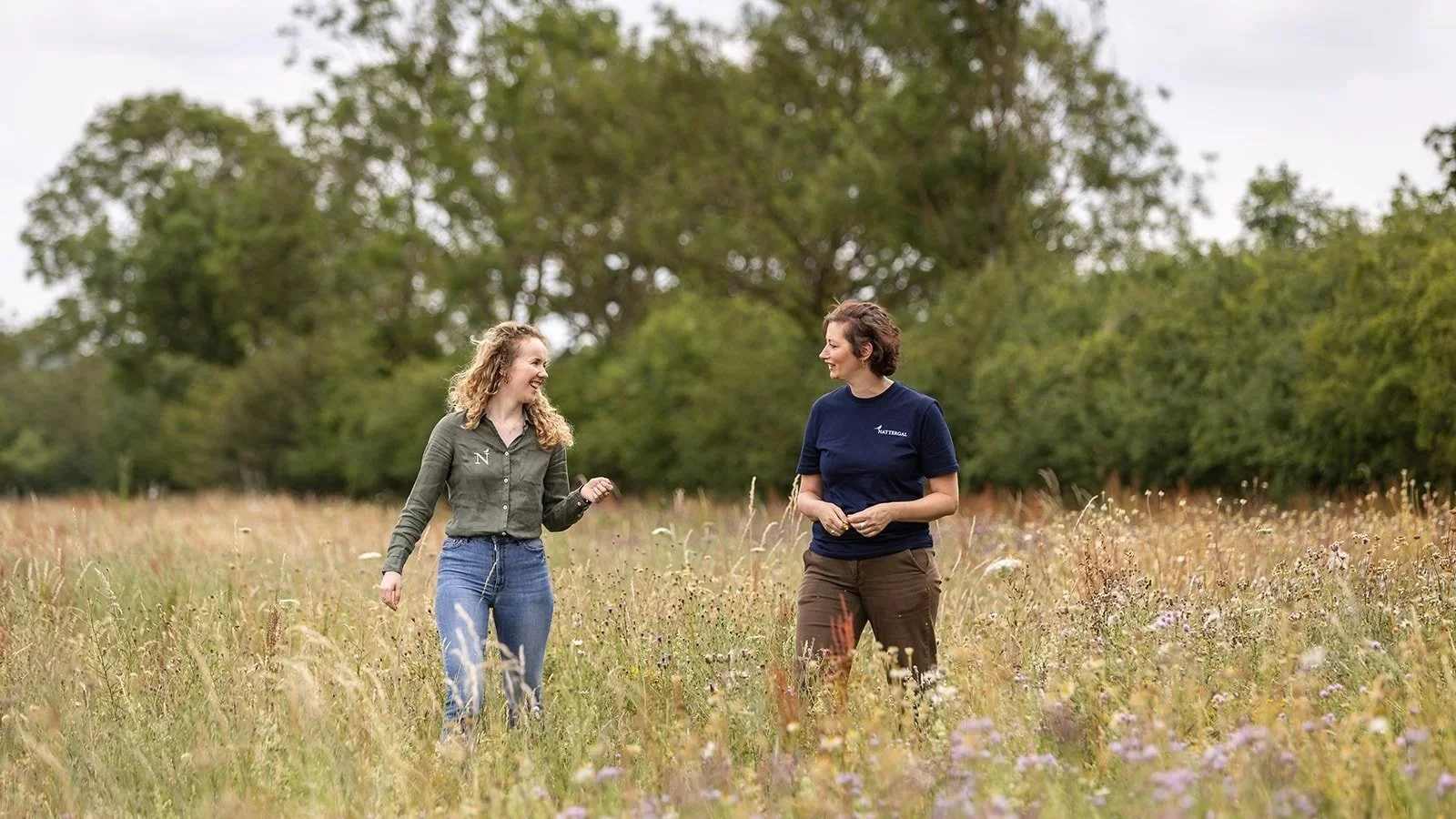
4. Allocation & Registration
We allocate your BNG units on the National Biodiversity Gain Site Register (Natural England) and provide you with a reference number to support your Local Planning Authority (LPA) requirements.
Who we work with
We work with a broad range of organisations looking to secure reliable, high-integrity offsite BNG units and deliver Biodiversity Net Gain requirements with confidence.
Residential developers
housing and mixed-use schemes
Planning consultancies
supporting developer clients
BNG brokers
sourcing units on behalf of clients
NSIPs
Nationally Significant Infrastructure Projects
Local Planning Authorities
seeking trusted BNG solutions
Commercial developers
industrial, retail and logistics projects
Ecological consultancies
advising on BNG strategies and delivery
Why partner with Nattergal?
-
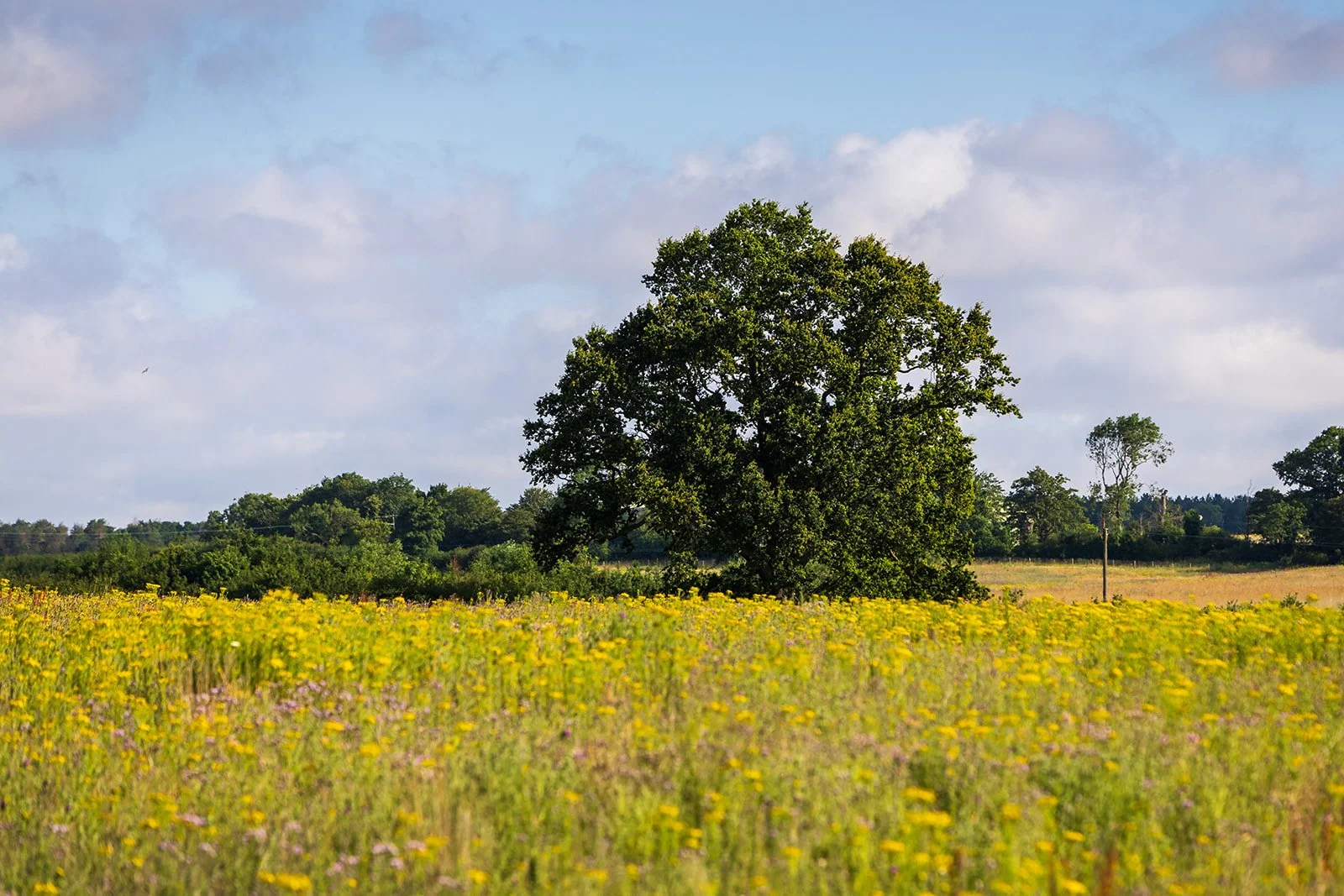
Specialist Team
A dedicated and expert team take the liability for BNG out of your hands, ensuring its delivery to the highest standards over the next 30+ years.
-
High-Integrity
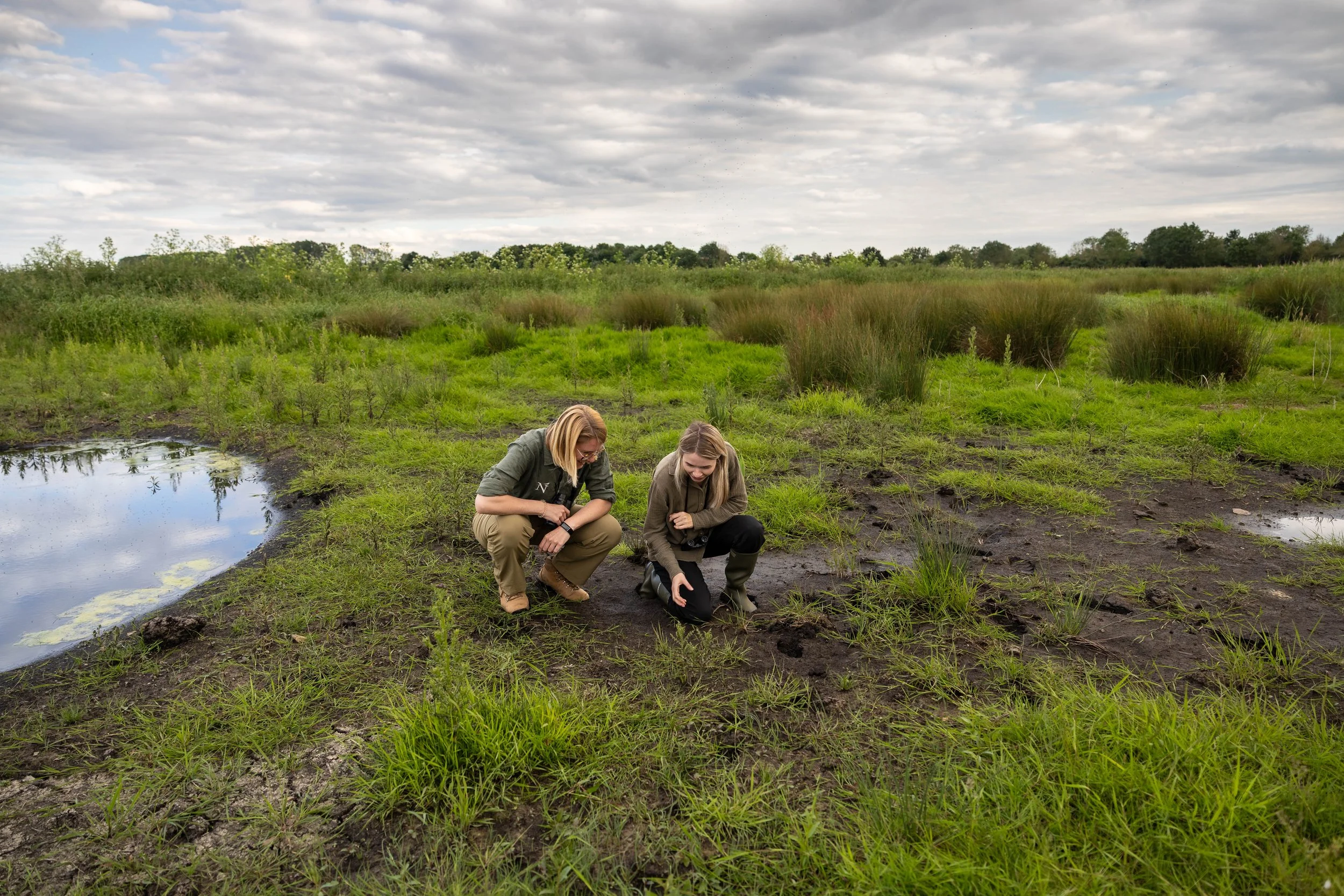
We go above and beyond the monitoring required for BNG, recording habitats, taxonomy, hydrology and soil biology, to evidence that your investment is driving impact.
-
Credible
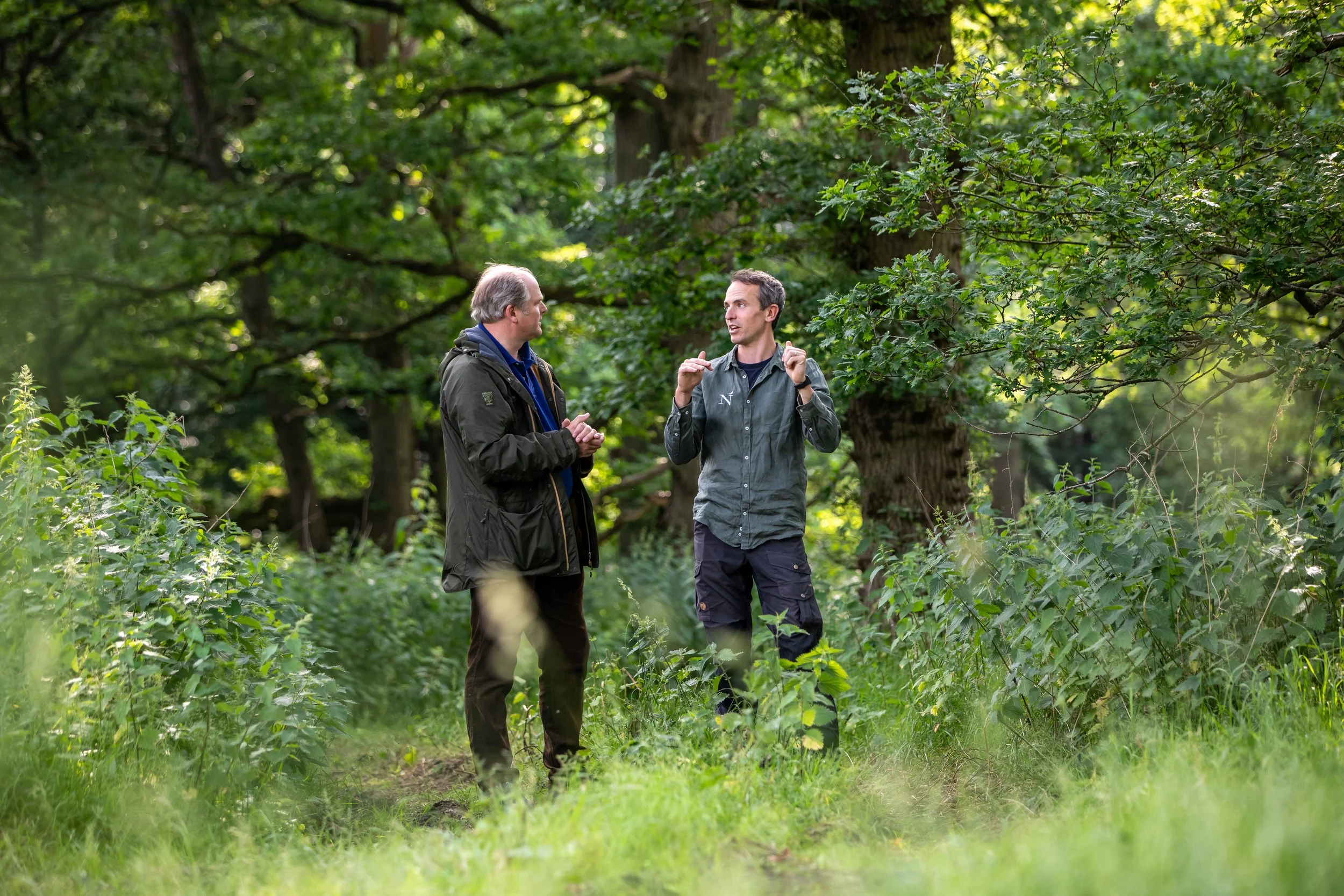
A trusted partner to national and local developers, as well as some of the biggest Nationally Significant Infrastructure Projects (NSIPs) in the country.
Habitat Types
| Broad Habitat | Specific Habitat | Distinctiveness |
Boothby Wildland |
High Fen Wildland |
Harold's Park Wildland |
East Sussex |
|---|---|---|---|---|---|---|
| Grassland | Traditional orchards | High | ✓ | ✓ | ||
| Floodplain wetland mosaic + CFGM | High | ✓ | ✓ | |||
| Lowland calcareous grassland | High | ✓ | ||||
| Lowland meadows | Very High | ✓ | ✓ | ✓ | ||
| Other neutral grassland | Medium | ✓ | ✓ | ✓ | ✓ | |
| Heathland and Shrub | Mixed scrub | Medium | ✓ | ✓ | ✓ | ✓ |
| Willow scrub | Medium | ✓ | ✓ | |||
| Lakes | Ponds (non-priority habitat) | Medium | ✓ | ✓ | ||
| Ponds (priority habitat) | High | ✓ | ||||
| Woodland & Forest | Lowland mixed deciduous woodland | High | ✓ | ✓ | ||
| Other woodland; broadleaved | Medium | ✓ | ✓ | ✓ | ||
| Other woodland; mixed | Medium | ✓ | ||||
| Wet woodland | High | ✓ | ||||
| Wood-pasture and parkland | Very High | ✓ | ✓ | |||
| Individual Trees | Rural trees | Medium | ✓ | ✓ | ||
| Hedgerows | Native species rich hedgerow with trees | High | ✓ | |||
| Native species rich hedgerow | Medium | ✓ | ✓ | |||
| Watercourse | Other rivers and streams | High | ✓ |
Our Habitats
-
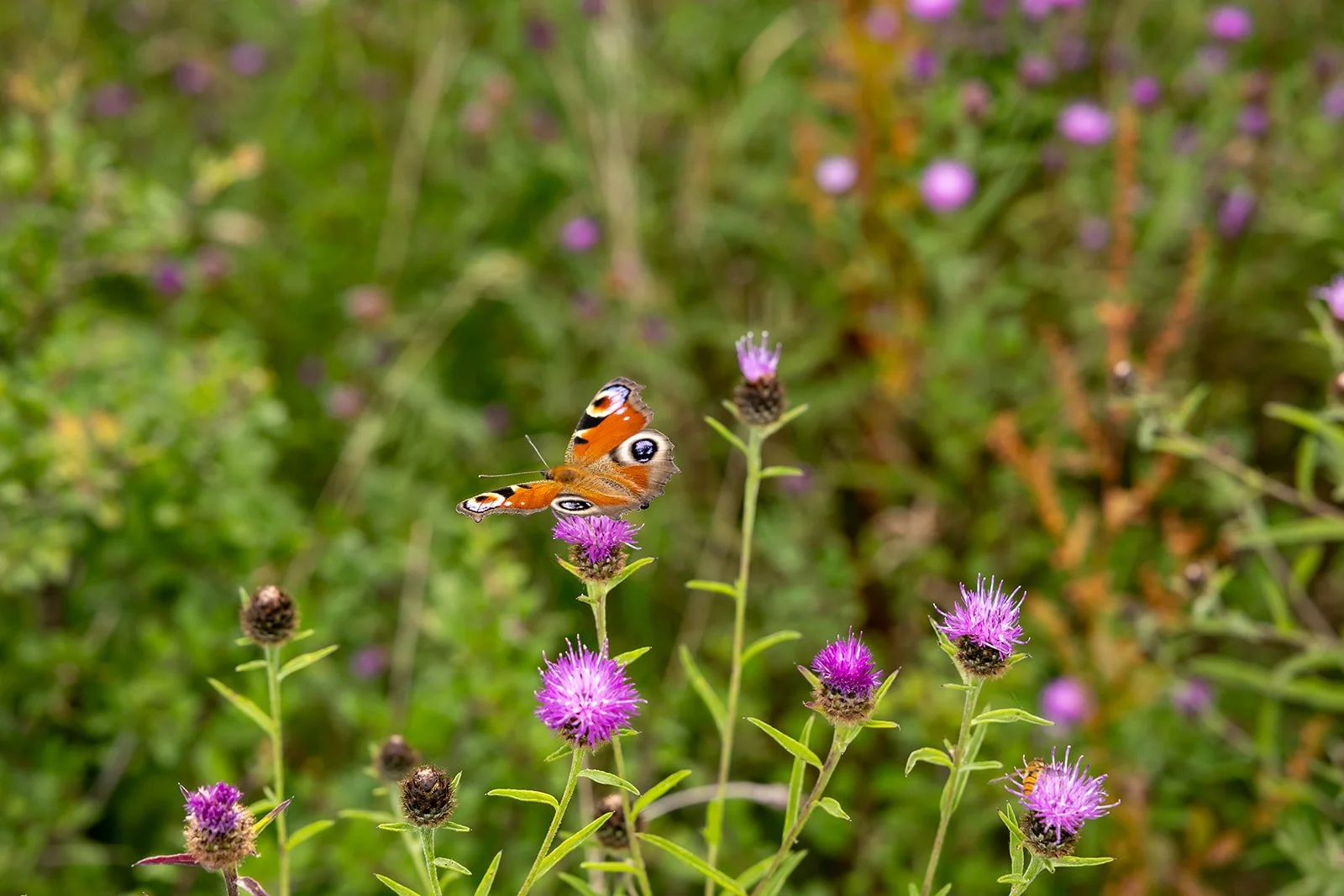
Boothby Wildland, Lincs, 617 ha
LPA: South Kesteven
NCA: Kesteven Uplands
LNRS: Greater Lincolnshire
Neighbouring LPAs: North Kesteven | South Holland | Peterborough | Rutland | Melton | Newark and Sherwood
Neighbouring NCAs: The Fens | Bedfordshire and Cambridgeshire Claylands | Rockingham Forest | High Leicestershire | Leicestershire and Nottinghamshire Wolds | Trent and Belvoir Vales | Southern Lincolnshire Edge
Habitat Types: Very high distinctiveness lowland meadow. Medium distinctiveness scrub, grassland, woodland, rural trees and ponds. Hedgerow and Watercourse from Q4.
-
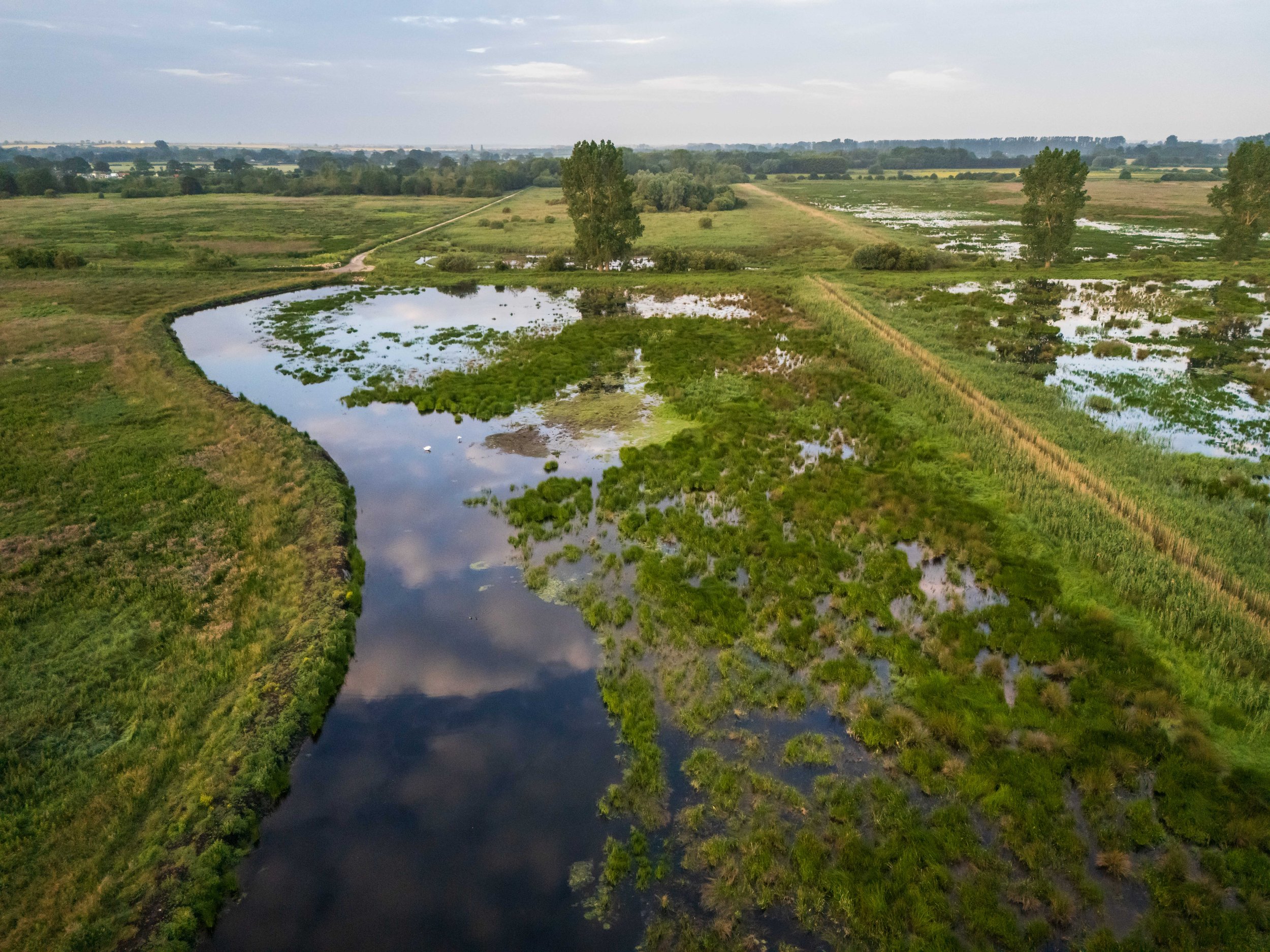
High Fen Wildland, Norfolk, 292 ha
LPA: Kings Lynn and West Norfolk
NCA: The Fens
LNRS: Norfolk and Suffolk
Neighbouring LPAs: North Norfolk | Breckland | West Suffolk | East Cambridgeshire | Fenland | South Holland
Neighbouring NCAs: Central Lincolnshire Vale | Lincolnshire Coast and Marshes | Southern Lincolnshire Edge | Kesteven Uplands, Bedfordshire and Cambridgeshire Claylands | East Anglian Chalk | The Brecks | North West Norfolk
Habitat Types: High distinctiveness floodplain wetland mosaic (CFGM) and calcareous grassland, medium distinctiveness scrub, woodland and grassland.
-
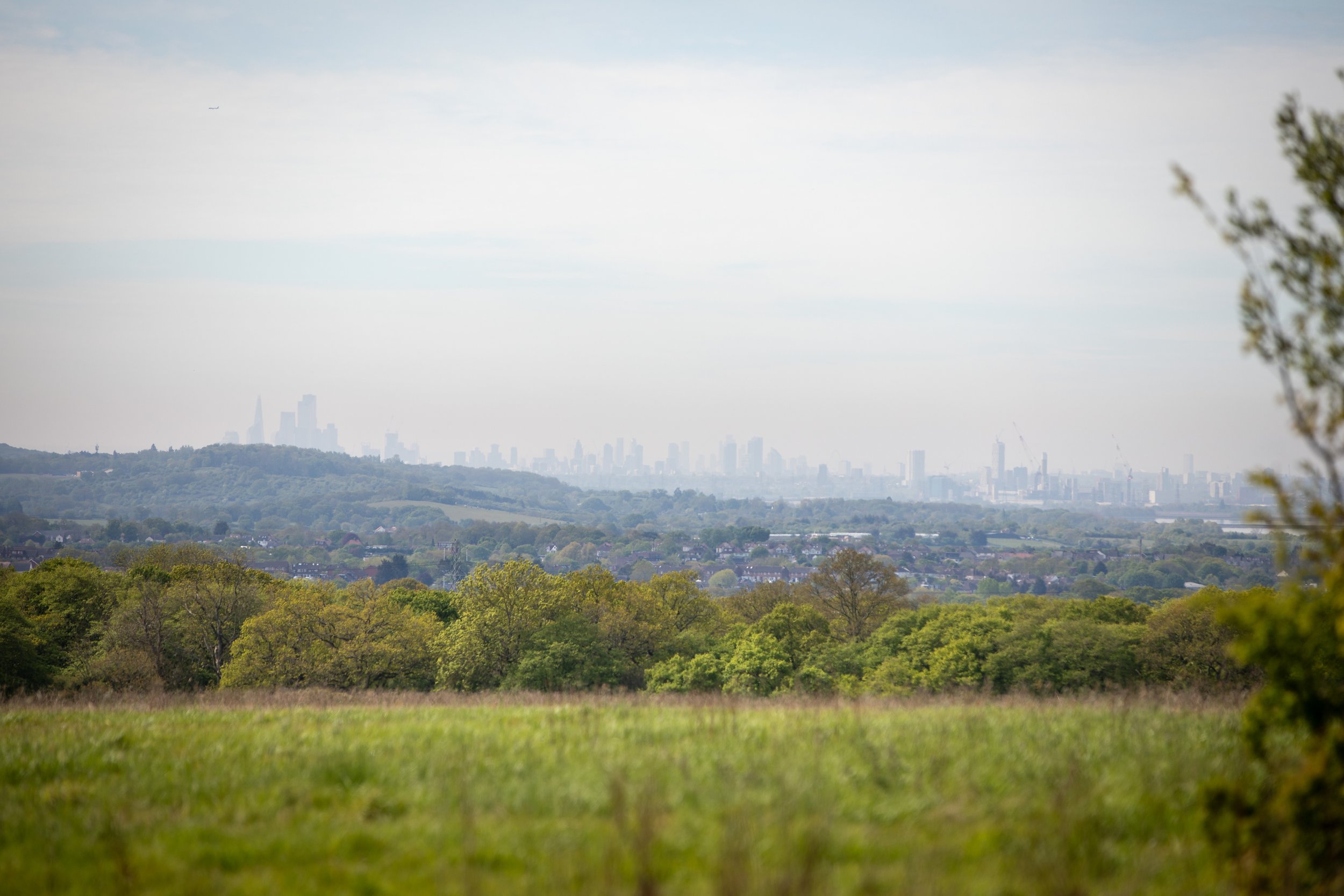
Harold's Park Wildland, Essex, 206 ha
LPA: Epping Forest
NCA: Northern Thames Basin
LNRS: Essex and South Essex
Neighbouring LPAs: Brentwood | Broxbourne | East Hertfordshire | Harlow | London Area | Uttlesford
Neighbouring NCAs: Greater Thames Estuary | Suffolk Coast and Heaths | South Suffolk and North Essex Claylands | Chilterns | Thames Valley | Inner London
Habitat Types: Medium distinctiveness shrub, grassland, woodland, rural trees and ponds. High distinctiveness woodland and very high distinctiveness lowland meadow and wood pasture. Hedgerow from Q4.
-
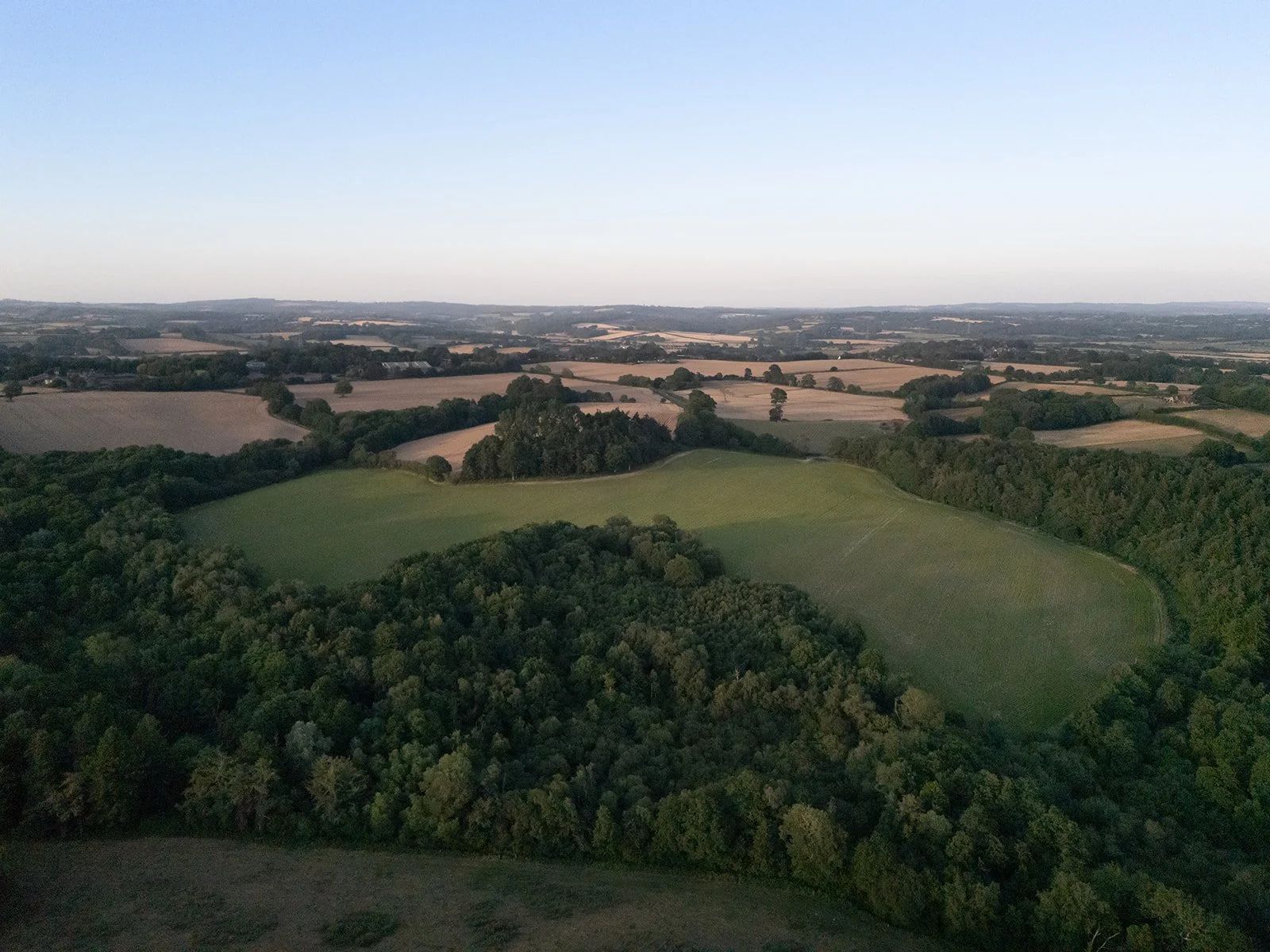
Q1 2027, East Sussex
LPA: Wealden District Council
NCA: High Weald and Pevensey Levels
LNRS: East Sussex and Brighton and Hove
Neighbouring LPAs: Eastbourne | Lewes | Rother | Hastings | Mid Sussex
Neighbouring NCAs: South Downs | Low Weald | Romney Marshes
Habitat Types: Medium distinctiveness scrub and grasslands, high distinctiveness lowland mixed deciduous woodland, very high distinctiveness lowland meadow and wood pasture, medium distinctiveness hedgerows.

Neil Beamsley, Group Head of Biodiversity, Bellway Homes
“After an extensive design review, it became clear that achieving a 10% biodiversity gain onsite at our Harold’s Wood site near Romford wasn't feasible. We've therefore partnered with Nattergal to provide the necessary additional gains.
I’m delighted that we have been able to start our BNG delivery journey together with Nattergal. It’s been inspiring to see the diligence and integrity with which they approach their work.
In fact, our collaboration extends beyond BNG. They will also create a new habitat for a population of slow worms currently residing at Harold’s Wood, ensuring their safe relocation to facilitate development.”
-
Biodiversity Net Gain (BNG) is a planning requirement that ensures development leaves the natural environment in a measurably better state than before. Introduced under the Environment Act 2021, most developments in England must deliver a minimum 10% increase in biodiversity value.
BNG can be achieved through on-site habitat creation or enhancement, off-site biodiversity projects, or, as a last resort, statutory biodiversity credits. Biodiversity improvements must be maintained for at least 30 years, helping to create lasting benefits for wildlife, local communities, and the wider environment.
-
BNG units are a way for developers to meet their Biodiversity Net Gain (BNG) requirements by funding the creation or enhancement of habitats, such as grassland, woodland and wetlands, on a suitable site.
-
You should buy off-site Biodiversity Net Gain (BNG) units early in the planning application process, ideally after completing your initial ecology assessment and before submitting your formal planning application
-
No. BNG units are the measurable biodiversity gains created through habitat enhancement or creation and can be bought and sold on the biodiversity market.
BNG credits, by contrast, are statutory credits purchased from the Government as a last resort when suitable BNG units cannot be secured.
In short: units deliver biodiversity on the ground, while credits are a fallback option when units are unavailable.
-
We aim to make the process as quick and straightforward as possible:
Quote: We aim to provide a quote within 2 working days of receiving your biodiversity metric.
Invoice & Contract: Once you confirm you'd like to proceed, we can issue the invoice and prepare the contract within 1-2 working days, provided we have all the information we need.
Unit Allocation: After the contract has been signed, we can allocate your BNG units and provide your registration reference within 1-2 working days.
Natural England Registration: At this stage, our work is complete and the registration process moves to Natural England. Registration times can vary depending on demand but typically take 2-6 weeks.
-
BNG delivers advantages for both people and Nature:
Increased biodiversity and habitat connectivity.
Better access to green spaces, improving mental and physical well-being.
Enhanced ecosystem services, including flood management, carbon storage, and cleaner air.
Greater climate resilience for wildlife and landscapes.
-
Onsite: Preferred method — developers enhance biodiversity within the project site.
Offsite: If onsite gains aren’t possible, developers buy units from habitat restoration projects, like Nattergal. This method requires a legal agreement (e.g., Section 106 or conservation covenant) and land must be managed for biodiversity for at least 30 years.
Statutory Credits: A last resort if no other options exist.