Student Research
Being evidence-led is at the core of how Nattergal operates. Collaboration is also key and we’re always keen to learn from, contribute to, and improve the science of Nature recovery.
Below, you’ll find an overview of the student research we’ve supported to date. Our sites offer a unique opportunity for a wide variety of research, so please do get in touch with the relevant site team if you have a research proposal.
You can reach us at boothby@nattergal.co.uk, highfen@nattergal.co.uk or haroldspark@nattergal.co.uk
PhD Students
Early impacts of freshwater rewilding on macroinvertebrates and their functionality
Xi He, University of Nottingham
-
Research type; PhD
Dates; Dec 2024 – 2027
Nattergal Site; Boothby Wildland
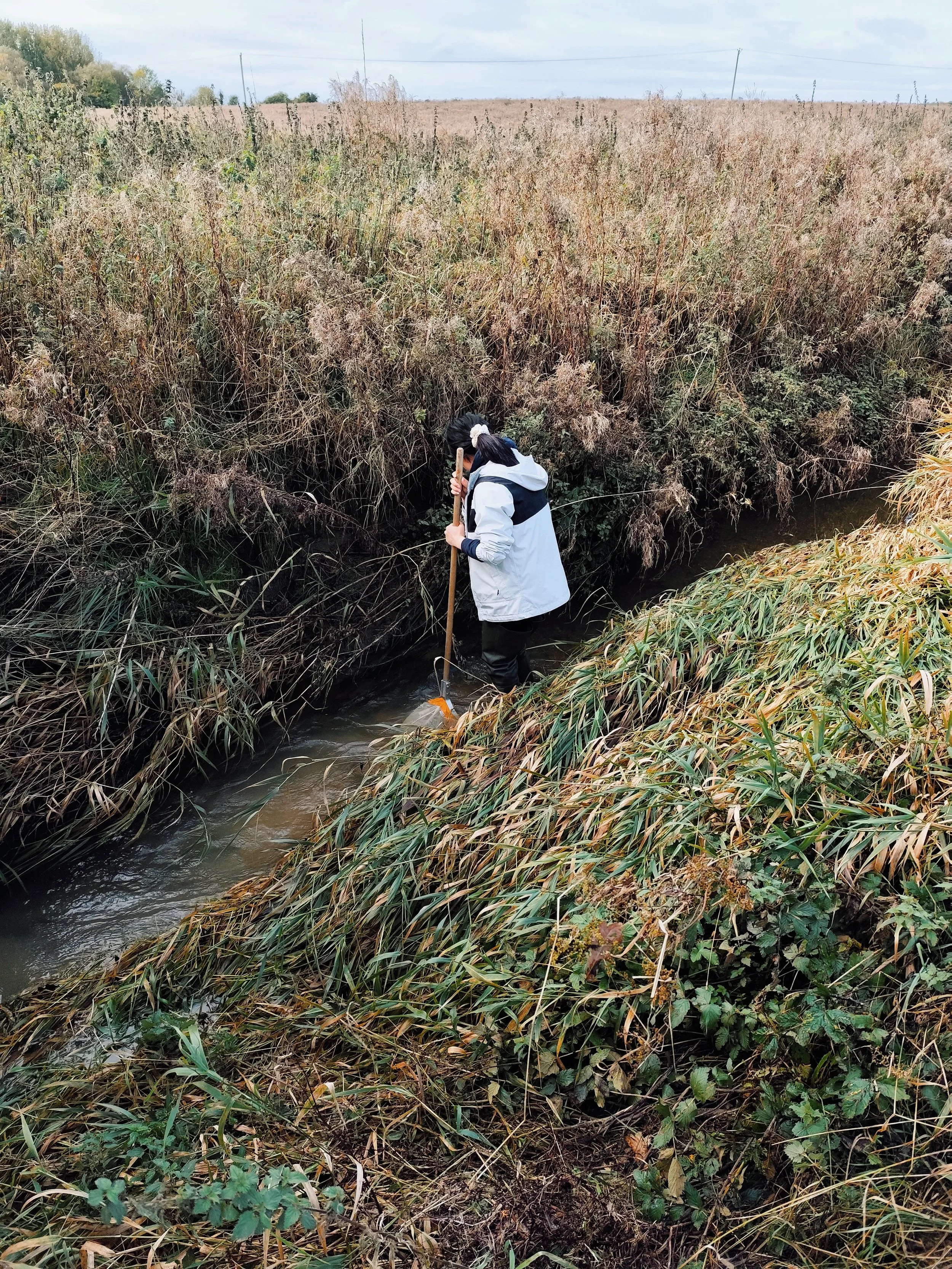
Xi's research explores the effects of rewilding practices, particularly beaver reintroduction, on freshwater environments at Boothby Wildland. The study will examine changes in the landscape and environmental parameters of ponds and rivers before and after restoration, investigate shifts in macroinvertebrate communities and their ecological functionality, and analyse the presence of fish and freshwater insects using eDNA.
Measuring the impact of rewilding on pollinating insects: what can machine learning tell us?
Graham Smith, University of Nottingham
-
Research type; PhD
Dates; Sep 2023 – Mar 2027
Nattergal Site; Boothby Wildland
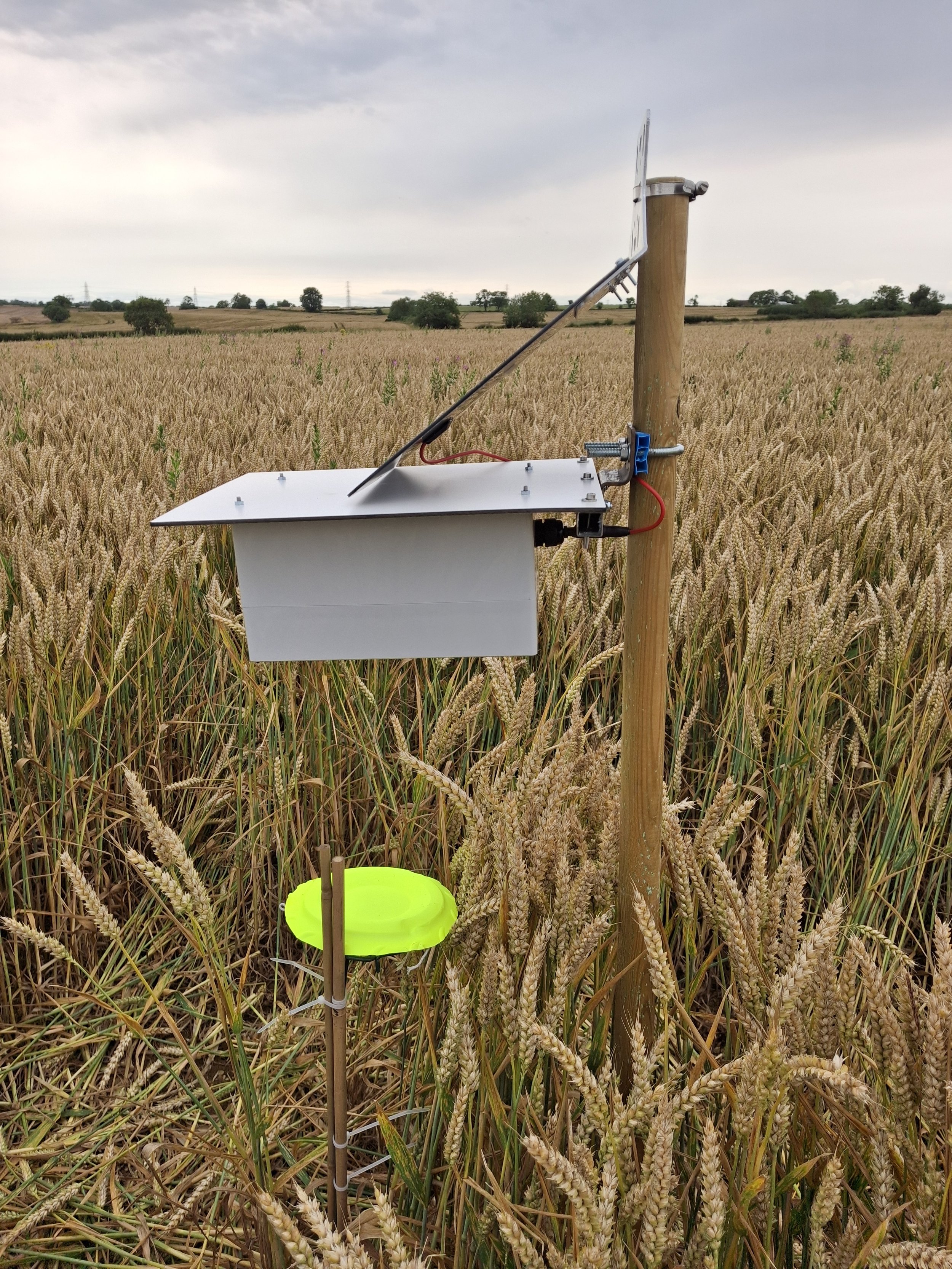
Summary; Graham’s PhD examines how rewilding impacts bees, wasps, and hoverflies at Boothby Wildland. Rewilding drives vegetation succession, affecting floral resources, nesting sites, and/or host plants critical for these pollinators. With growing global threats to pollinators there is a need to better understand how novel conservation strategies can support them. Graham is monitoring changes to pollinator diversity and abundance across rewilding stages using traditional and machine learning methods (pictured), comparing their effectiveness. His research aims to determine the role of rewilding in mitigating pollinator declines while identifying the potential for rapid, low-cost and accurate ways to assess new rewilding projects.
Cultivating Change: Addressing Shifts in knowledge & skills required for landscape-scale, nature-based recovery
Josh Davis, University of Gloucestershire
-
Research type; PhD
Dates; Oct 2022 – Jan 2027
Nattergal Site; Boothby Wildland
Summary: Josh’s research - funded through the Evolution & Education Trust (EET) - seeks to identify and address the key environmental, collaborative, and entrepreneurial skills required for nature recovery at landscape scale: alongside exploring how skills acquisition and development occurs, in practice, with the scope required to facilitate ecosystem restoration. Nattergal and Boothby Wildland represent one of three case studies providing an actionable inquiry into the key skills required (and acquired) by stakeholders undertaking large-scale changes in land use and management.
Novel approaches to detecting ecological interactions involving beneficial invertebrates
Lucy Baker, University of Nottingham
-
Research Type; PhD
Dates; Sep 2022 – Oct 2026
Nattergal Site; Boothby Wildland
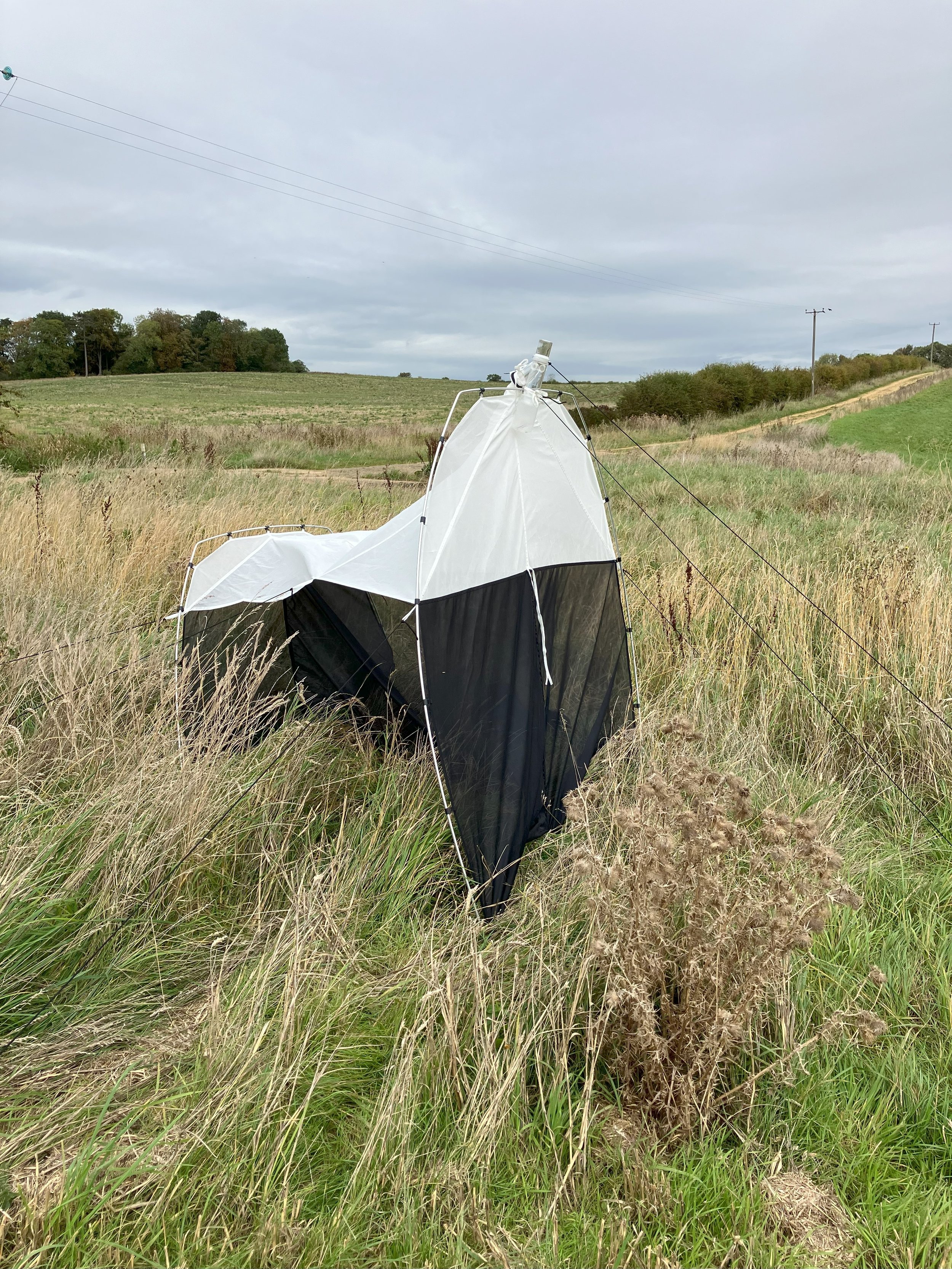
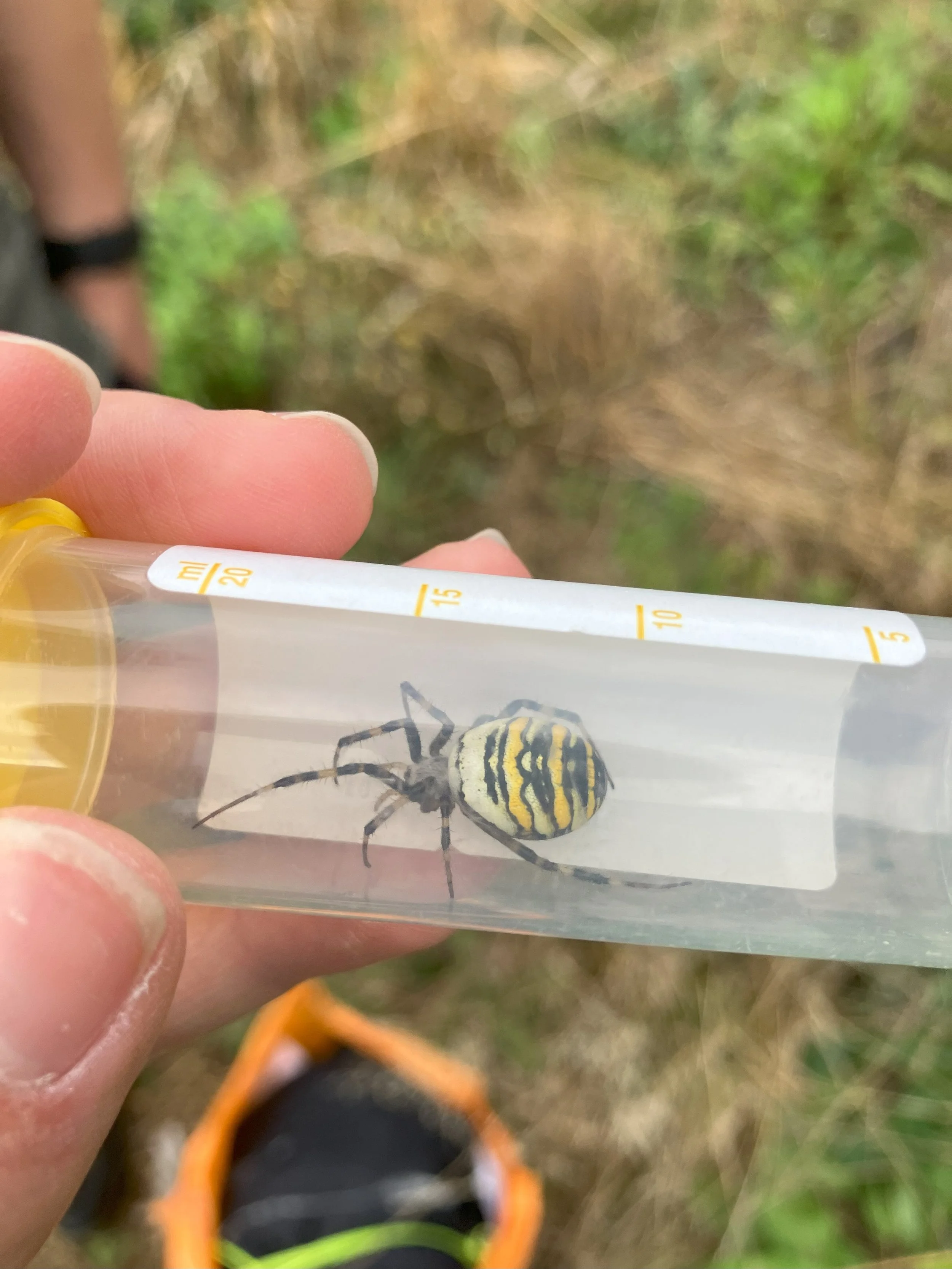
Summary: Lucy’s PhD is primarily investigating the predators of hoverflies and testing novel methods of identifying predator-prey interactions. Hoverflies are an important crop pollinator, so ensuring we understand their ecology is vital for future food security. At Boothby, Lucy has been collecting spiders that she then takes back to the lab to extract DNA from and identify if they have eaten any hoverflies. Lucy has also been analysing the hoverfly and general insect population (typically using Malaise traps, which you may see around the site!) to see how the insect community is affected at different stages of the rewilding project.
How does the structure of biodiversity change with rewilding?
Nell Pates (with assistance from Rona Learmonth, Megan Sherlock, Ben Boyce, Thomas Moye, Eimear Loughlin), Imperial College London
-
Dates; June 2022 – 2026
Summary; Boothby Wildland
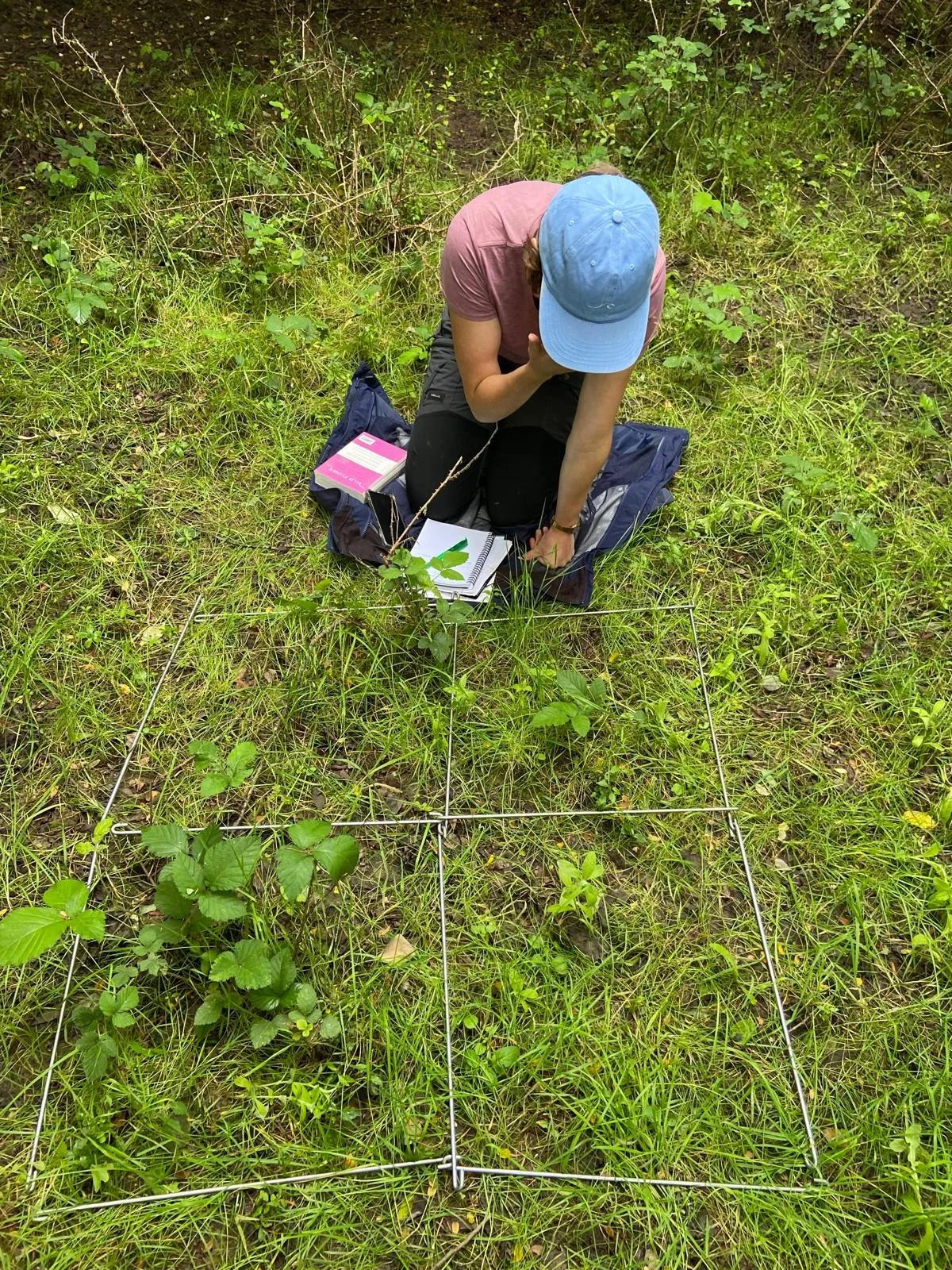
Summary: Nell’s PhD is about how we can measure and quantify progress in rewilding. She is collecting plant community data in the same way over multiple years at Boothby Wildland and other UK rewilding projects to compare biodiversity metrics from baseline, early, and mature rewilded systems.
Degree Students
Baseline monitoring and temporal changes in small mammal communities as an indicator of biodiversity in response to passive rewilding of former arable farmland.
Amelia Baker, University of Nottingham
-
Research type; Research project for integrated Masters (MSci) in Zoology
Dates; Jan 2025 – May 2025
Nattergal Site; Boothby Wildland
Summary; Amelia’s research focuses on characterising small mammal communities at Boothby Wildland and evaluating temporal and spatial changes in response to rewilding. Small mammals, defined as species under 50g, are key ecological indicators due to their sensitivity to habitat changes. Their role in food webs, including predation on seeds and insects and serving as prey for predators, makes them important to ecosystem function. She will use live trapping and acoustic monitoring to survey five habitat types within Boothby Wildland: 2022-reverted field, 2023-reverted field, 2024-reverted field, hedgerows and the control arable field, to determine species diversity and abundance.
Biodiversity Indicators; baselining bird populations in response to passive rewilding of arable farmland.
Loulla Sheperd, University of Nottingham
-
Research Type; MSc
Dates; Jan 2025 – March 2025
Nattergal site; Boothby Wildland
Loulla’s MSc focuses on baselining bird populations as a reference point to understand ecological change over time, and the successes of passive rewilding as an emerging conservation technique. Birds will be used as indicators as they’re relatively diverse, widely distributed and respond to changes in lower trophic levels. Surveys will be conducted with point counts, transect walks and small autonomous recording units to establish species richness and interactions with different habitat types.
Changes to biodiversity metrics as rewilding progresses
Eimear Loughlin, Imperial College London
-
DescriptionResearch Type; Research dissertation for MsC in Ecology, Evolution and Conservation
Dates; April – Sep 2024
Nattergal Site; Boothby Wildland
Summary; Rewilding has been promoted as a conservation strategy, yet little research has examined how biodiversity changes at different stages of rewilding. To address this gap, Eimear collected plant data from five rewilding sites in the UK, each at varying stages of the process. She analysed this data to determine how floral biodiversity differs between sites at different stages, and whether rewilding can achieve biodiversity levels comparable to natural reference sites. Eimear’s project provides valuable insights into the expected progression of biodiversity as rewilding advances.
Investigating the impact of rewilding on soil quality with time
Matthew Barben, University of York
-
Research type: Research dissertation for BSc Environmental Science
Dates: Feb – June 2024
Nattergal site: Boothby Wildland
Summary: Matthew’s dissertation focused on the changes in soil quality with time on previously arable fields throughout rewilding. He measured for trends in soil nutrient levels and pH whilst sampling for soil bulk density and water retention for improved plant growth. Discovering significant increases in soil nutrient levels and organic matter even with short periods of rewilding. Along with highlighting the impacts of soil type and history on the rewilding of previously intensely farmed arable land.
Baselining small mammals at a rewilding project
Oliver Dodd, University of Nottingham
-
Research type; MRes
Dates; Oct 2023- Oct 2024
Nattergal Site; Boothby Wildland
Summary; Oliver’s MRes baselined the small mammal populations at Boothby. Data were collected via live-trapping and audio recordings of small mammals in several different habitat types. The data will be used to compare small mammal population dynamics at the beginning of the rewilding process to those after land use changes have occurred.
Boothby Wildland: Building community engagement in nature restoration
Louise Arkles, University of Cambridge
-
Research type: Research dissertation for MPhil in Conservation Leadership
Dates: May to July 2023
Nattergal Site: Boothby Wildland
Summary: Louise's research centred on how conservationists can bring others along on the path to nature restoration through rewilding: engage communities, build social licence, and ultimately enable further investment in nature-based solutions to climate change and biodiversity loss. Her placement enabled her to see rewilding as a nature conservation strategy embedded in a specific context – geographic, temporal and political - rather than as an abstract concept. This, in turn, shed light on the challenges that those leading the push for rewilding face as they grow the movement.
A study into the colonisation of newly created ponds on a site undergoing Rewilding
Celena Halliday, Loughborough University
-
Research type; MSc Dissertation
Dates; April 2023 to Oct 2024
Nattergal Site; Boothby Wildland
Summary; Celena's MSc dissertation is an investigation on the colonisation by macrophytes and macroinvertebrates on some of the newly excavated ponds at Boothby Wildland over a period of 15 months. Her research assesses the temporal, seasonal and spatial patterns of colonisation in the existing, restored and new ponds, focusing on the community abundance, diversity and water quality.
Rewilding affects biodiversity and functional traits across spatial scales
Megan Sherlock, Imperial College London
-
Research Type; Research dissertation for MRes Ecology, Evolution and Conservation
Dates; March 2023 - Aug 2023
Nattergal Site; Boothby Wildland
Summary; Research project investigating how rewilding affects biodiversity and functional traits across spatial scales. Data from Boothby Wildland was compared to an older rewilding site to assess these effects across various time scales.