
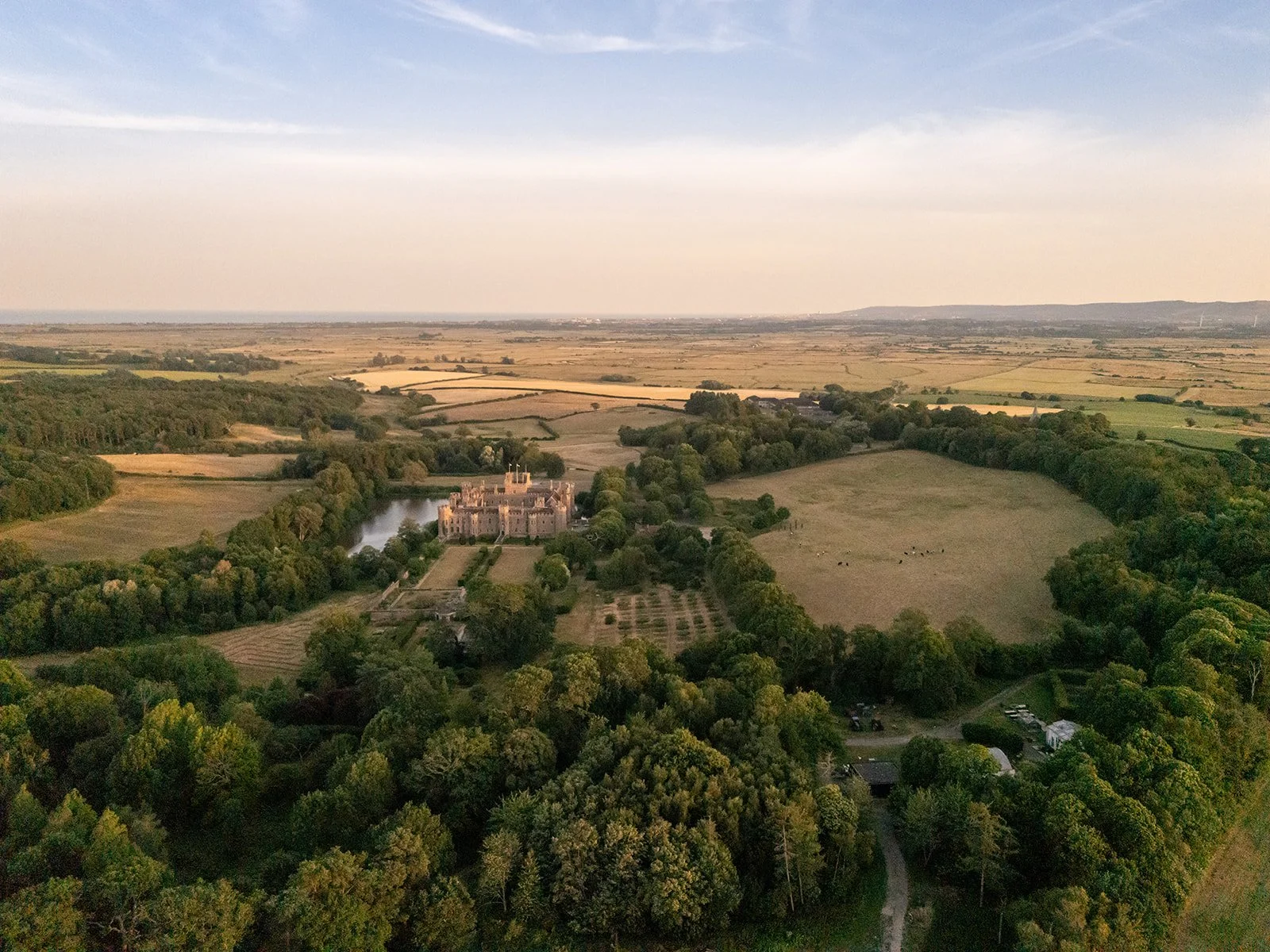

Herstmonceux Rewilding
Restoring Nature, creating opportunities for learning
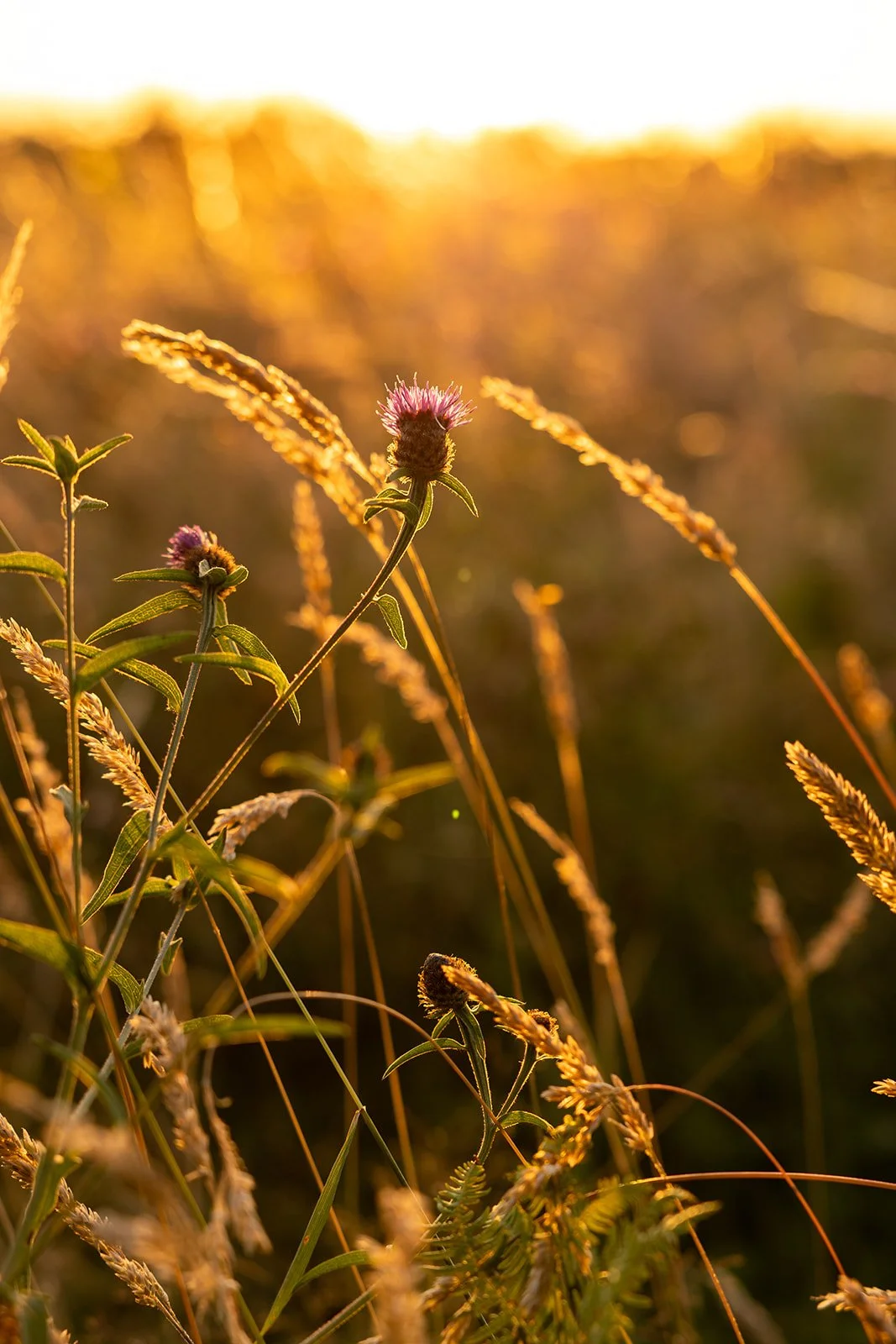
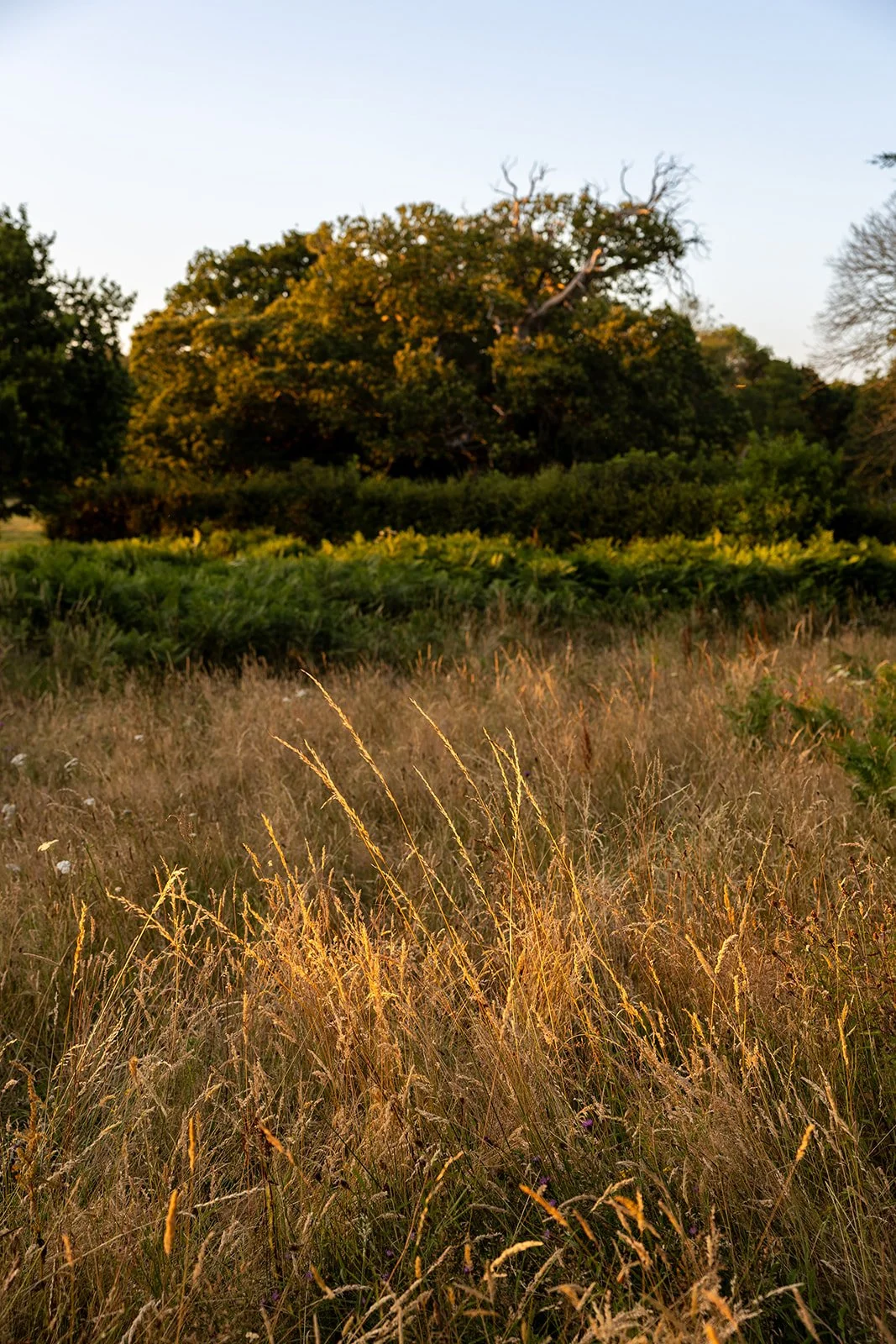
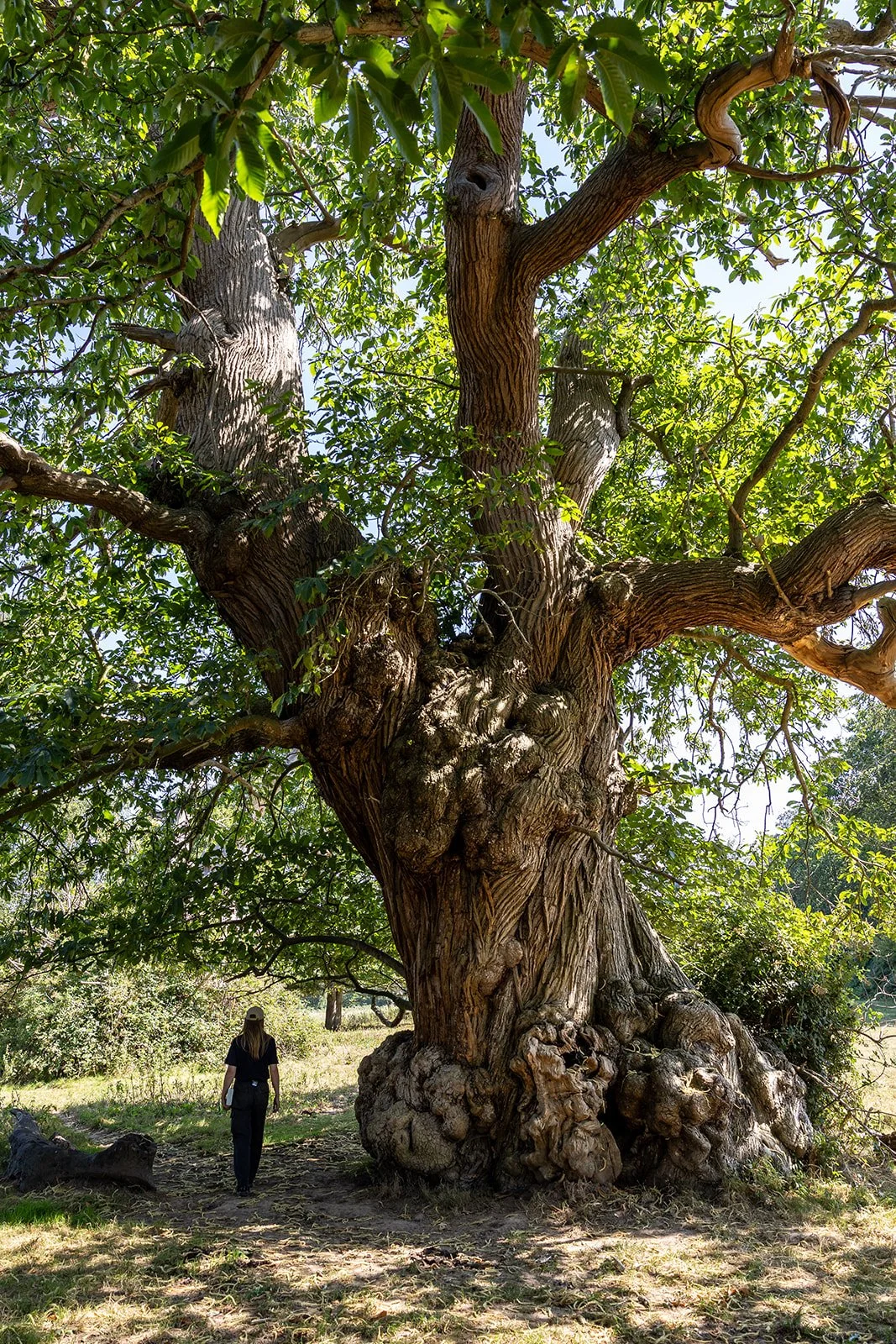
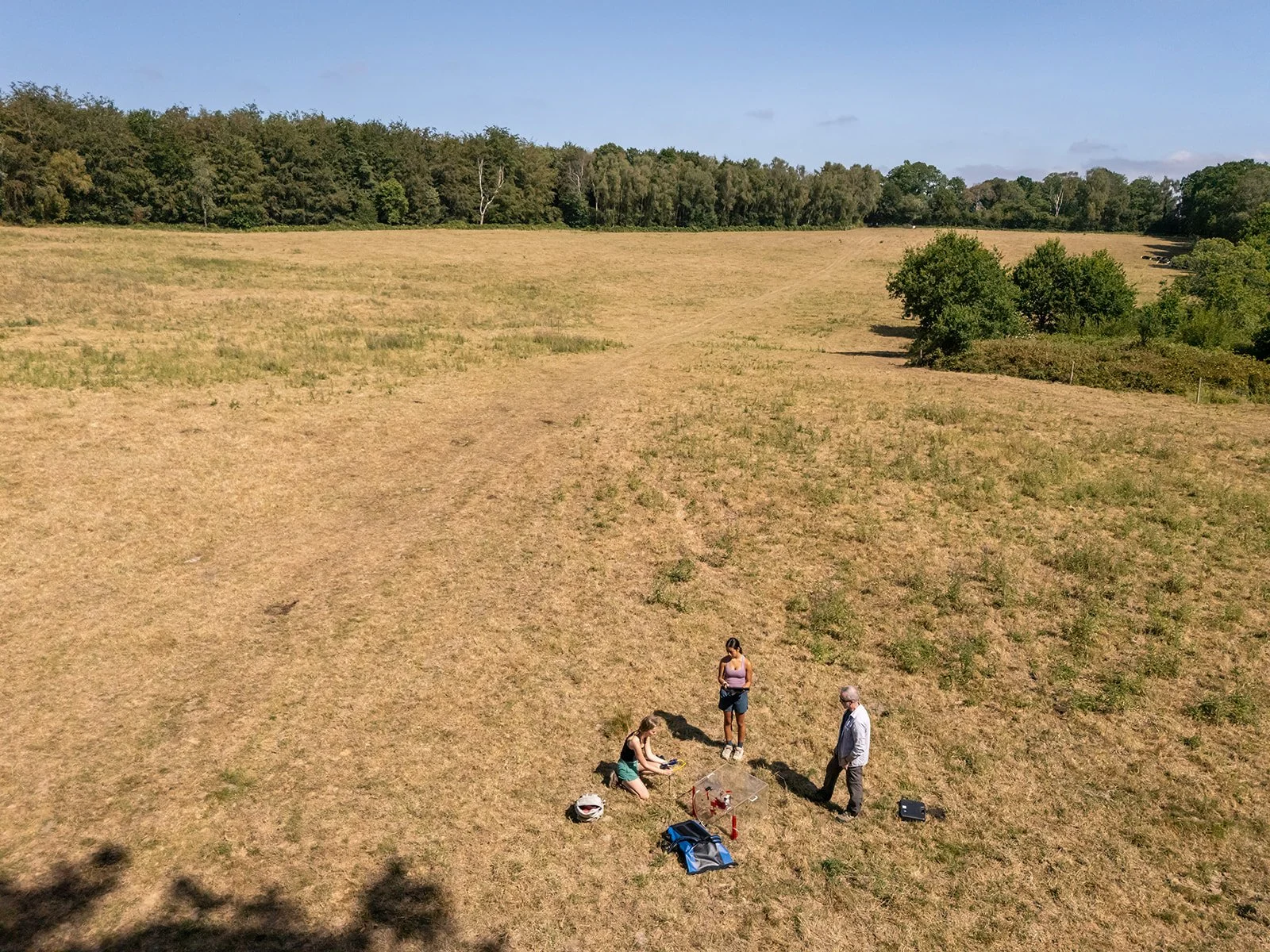
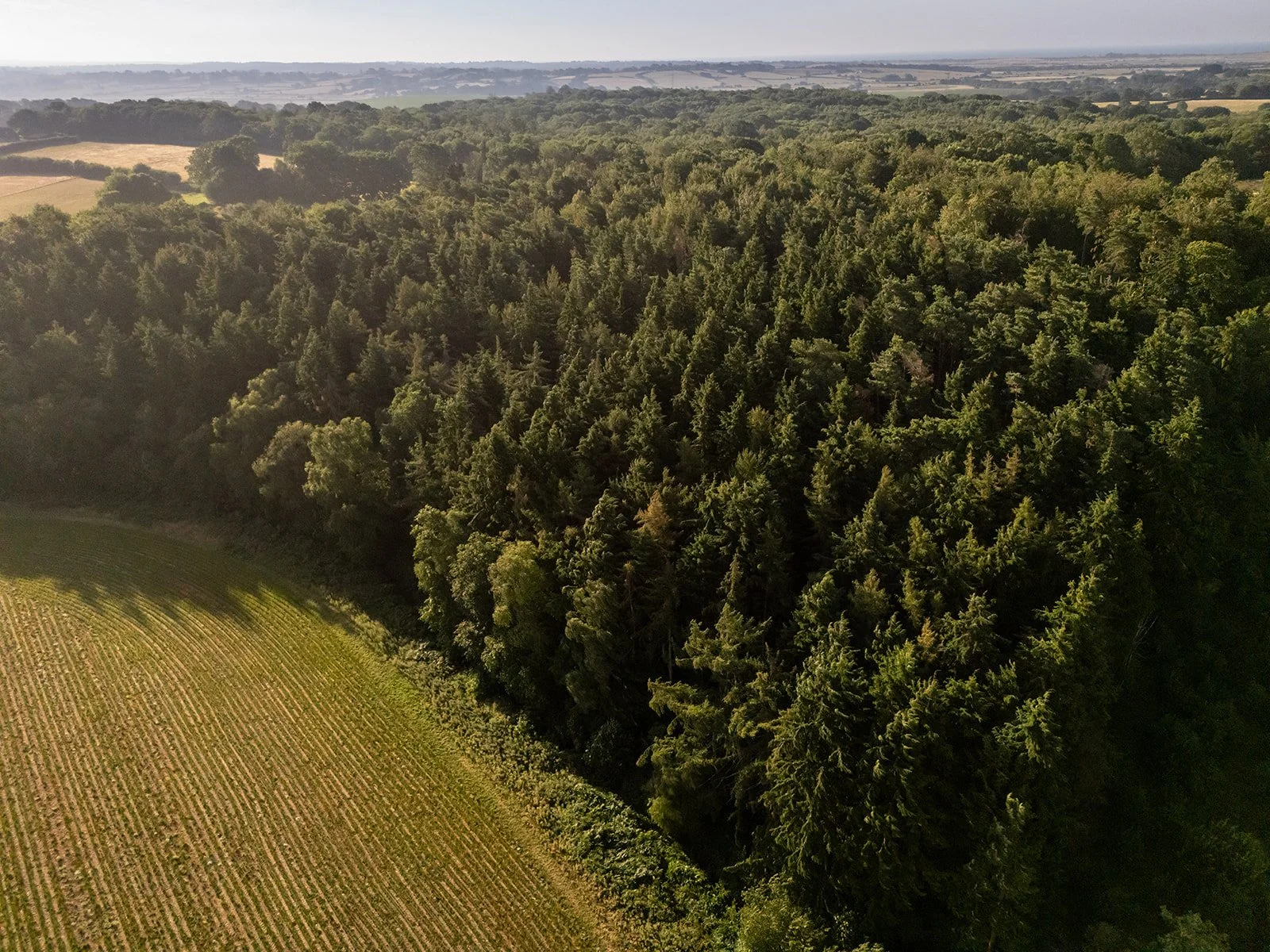
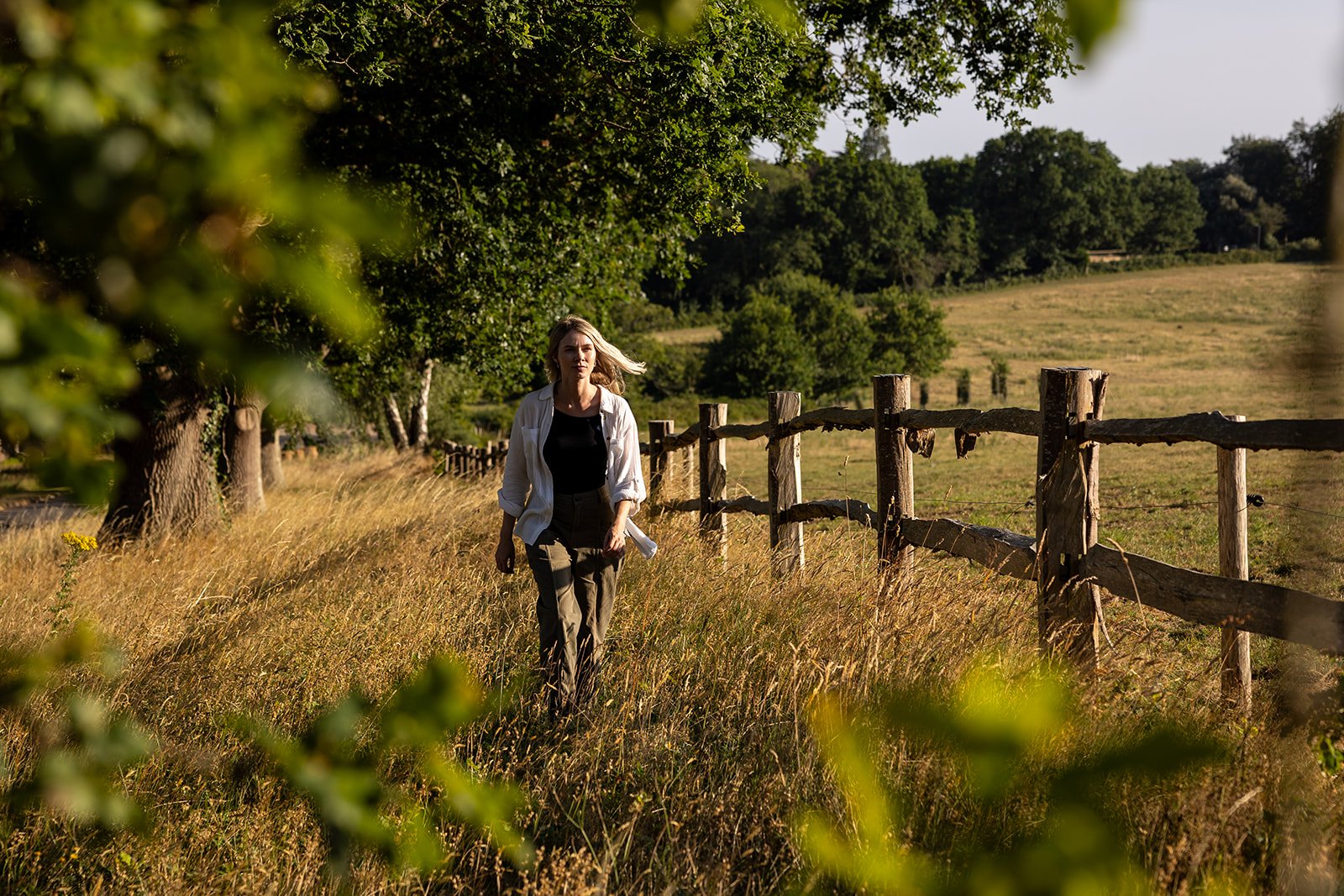
Set within the historic Herstmonceux Castle Estate in East Sussex, Herstmonceux Rewilding is transforming 240 acres of ecologically depleted farmland into a thriving landscape of wood pasture, grassland and scrub habitats.
Delivered through a unique partnership between Herstmonceux Castle Estate, Bader College and Nattergal, this landmark project combines large-scale Nature restoration with education, research and community engagement. It will create new habitats for wildlife, support Biodiversity Net Gain, and provide a living landscape for learning and discovery.
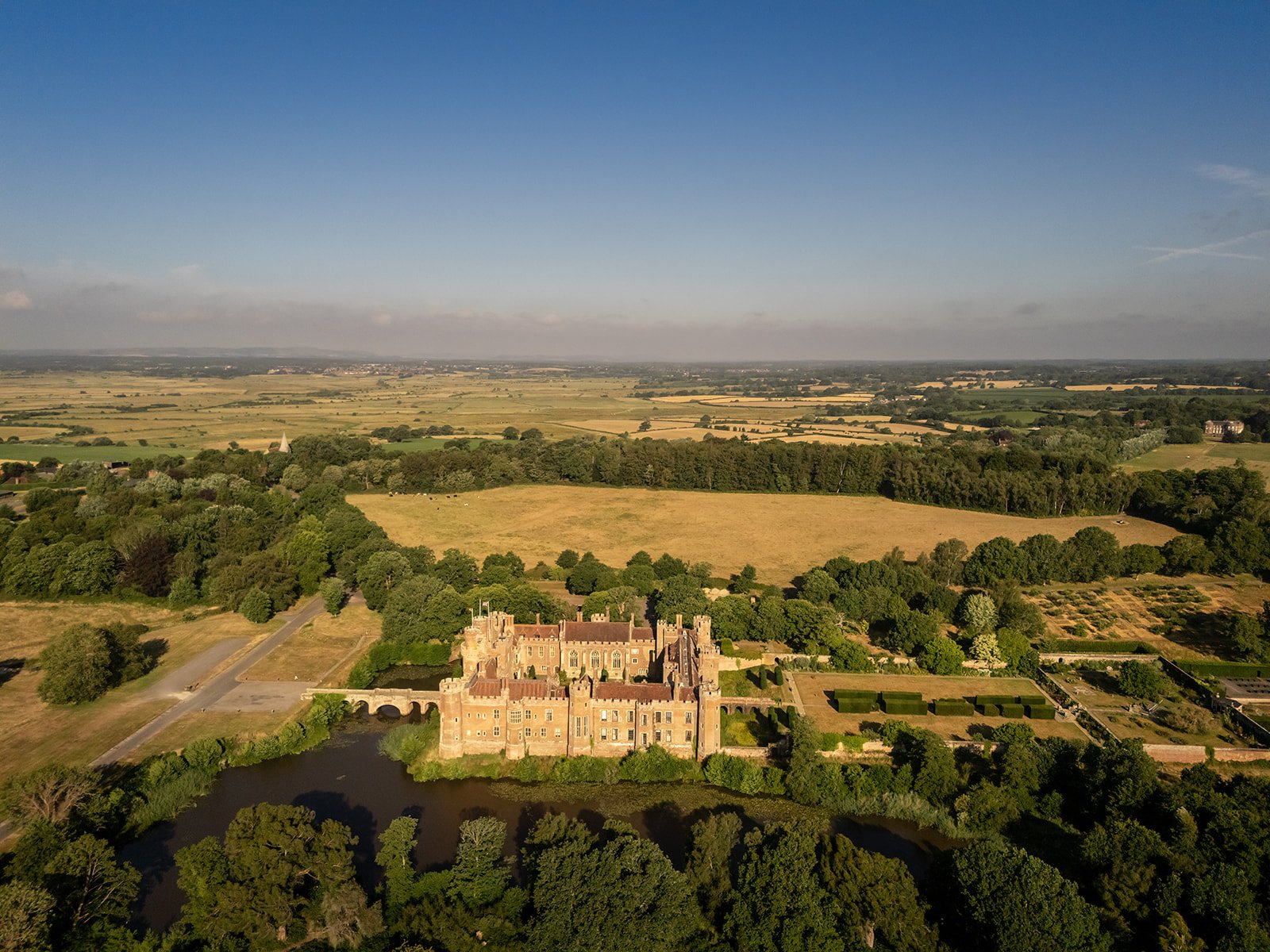
Photography: Jonathan Perugia for Nattergal
A new model for Nature recovery
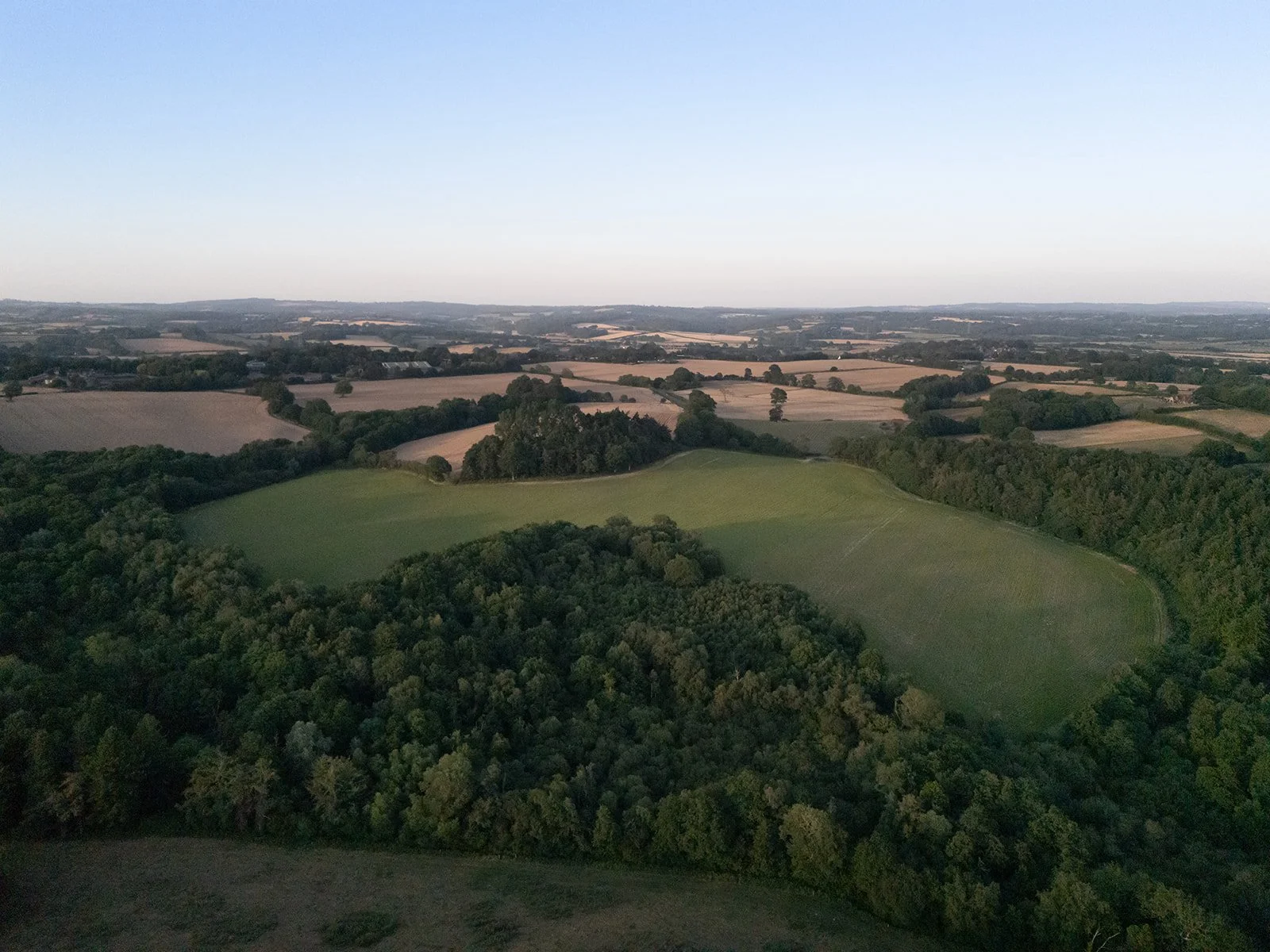
Herstmonceux Rewilding is the first site in Nattergal's portfolio that is managed in partnership with a landowner rather than owned directly by Nattergal.
Under a long-term agreement, Nattergal will lead the restoration and management of the site, applying expertise developed across its landscape-scale Wildlands in Lincolnshire, Norfolk and Essex. A Conservation Covenant will secure the land for Nature recovery for at least 30 years, helping to ensure lasting environmental benefits for future generations.
The project will be funded through the sale of Biodiversity Net Gain (BNG) units, helping to channel private investment into long-term Nature restoration.
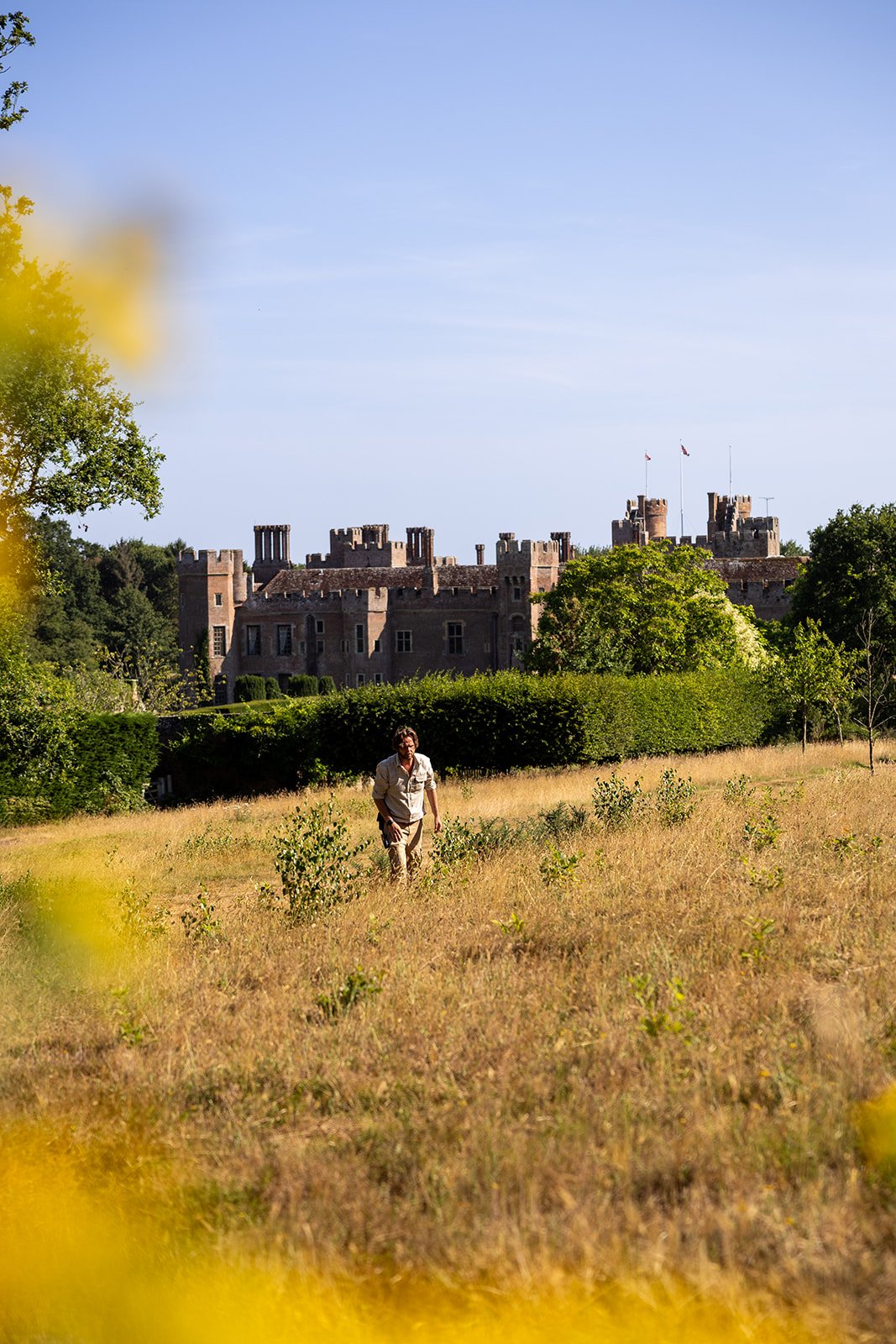
From farmland to flourishing habitat
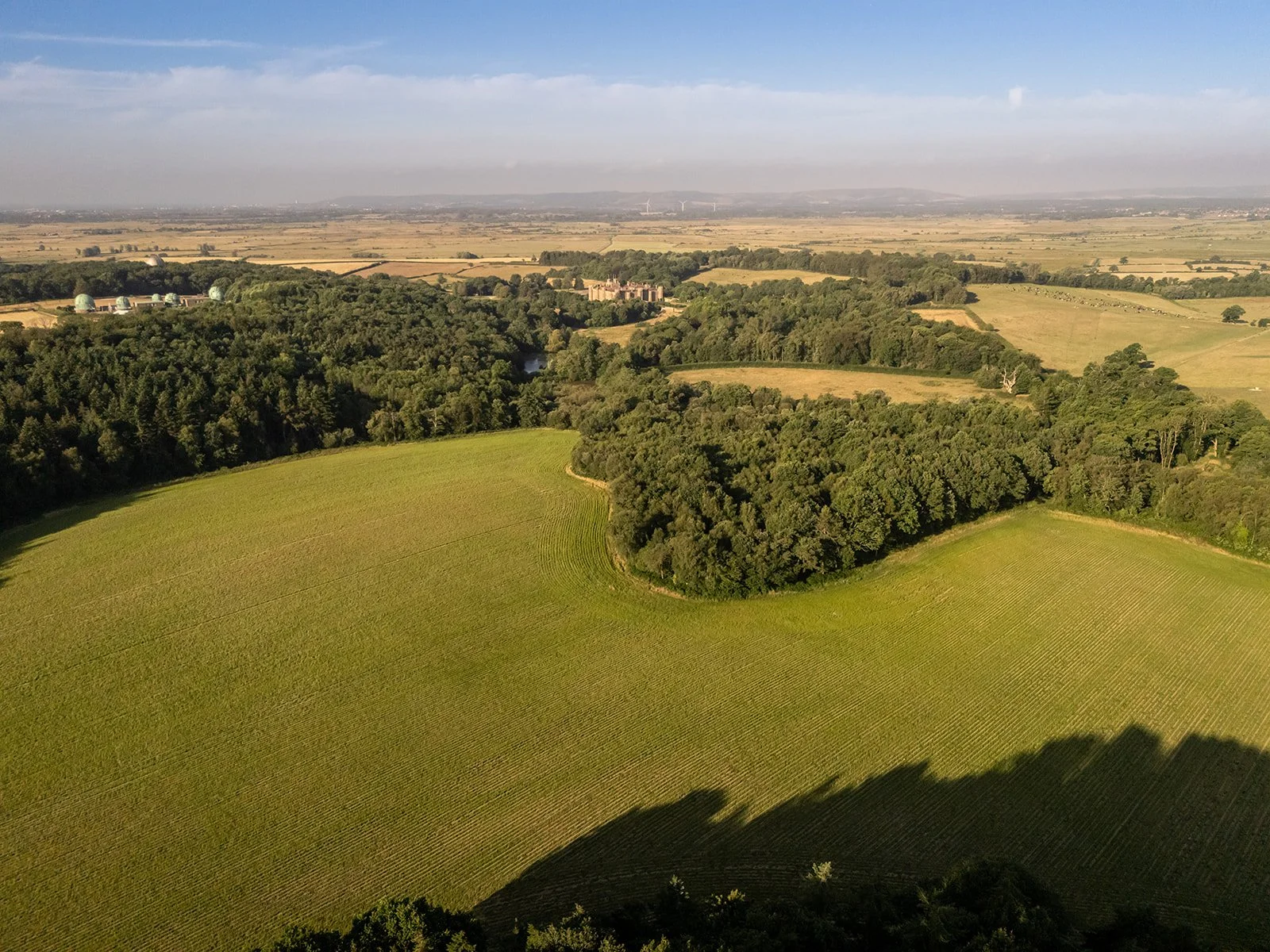
For generations, much of the land was managed as intensive farmland. Herstmonceux Rewilding will restore natural processes and create a rich mosaic of habitats across the estate.
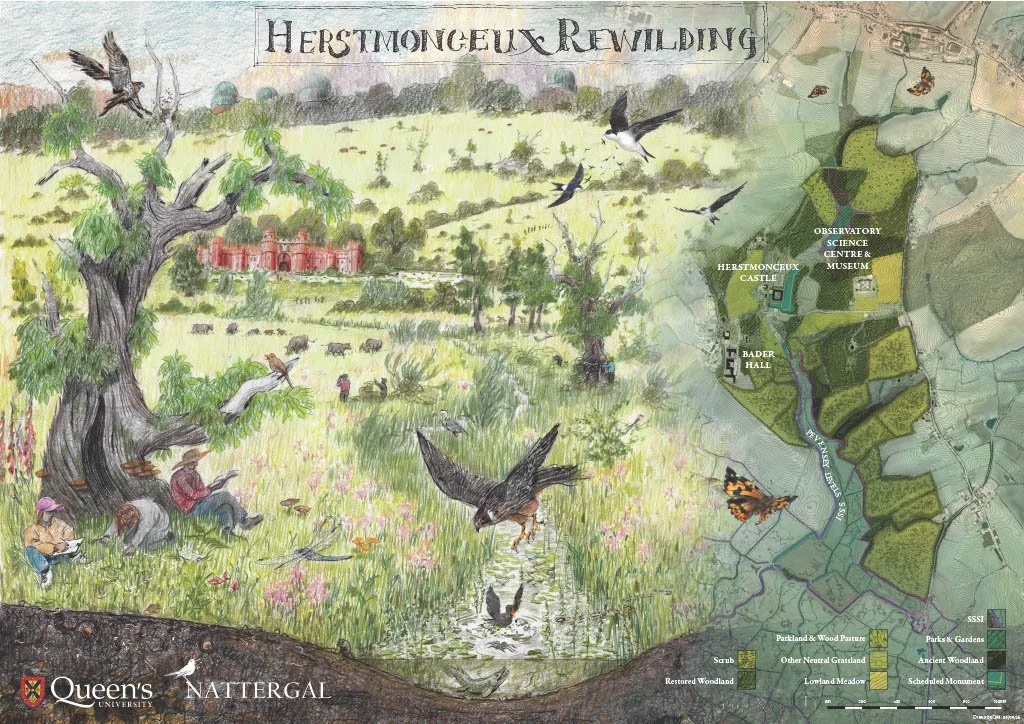
The restoration plans include improving existing woodlands, scrub and grasslands, and connecting the Pevensey Levels (a Site of Special Scientific Interest and globally protected Ramsar site) to existing Nature-rich habitats in the wider landscape. Free-roaming grazing animals will help shape and maintain diverse habitats over time, supporting a healthier and more resilient ecosystem.
A landscape reconnected
Supported by long-term ecological monitoring, Herstmonceux Rewilding will deliver benefits for wildlife, people and the wider landscape.
By reconnecting habitats and reinstating natural processes, the project aims to create a thriving environment where biodiversity can recover and flourish. The restoration will contribute to national Nature recovery ambitions while creating a landscape that can be enjoyed, studied and understood by future generations.
A living laboratory for research and education


What makes Herstmonceux Rewilding unique is its connection to Bader College, part of Queen's University Canada.
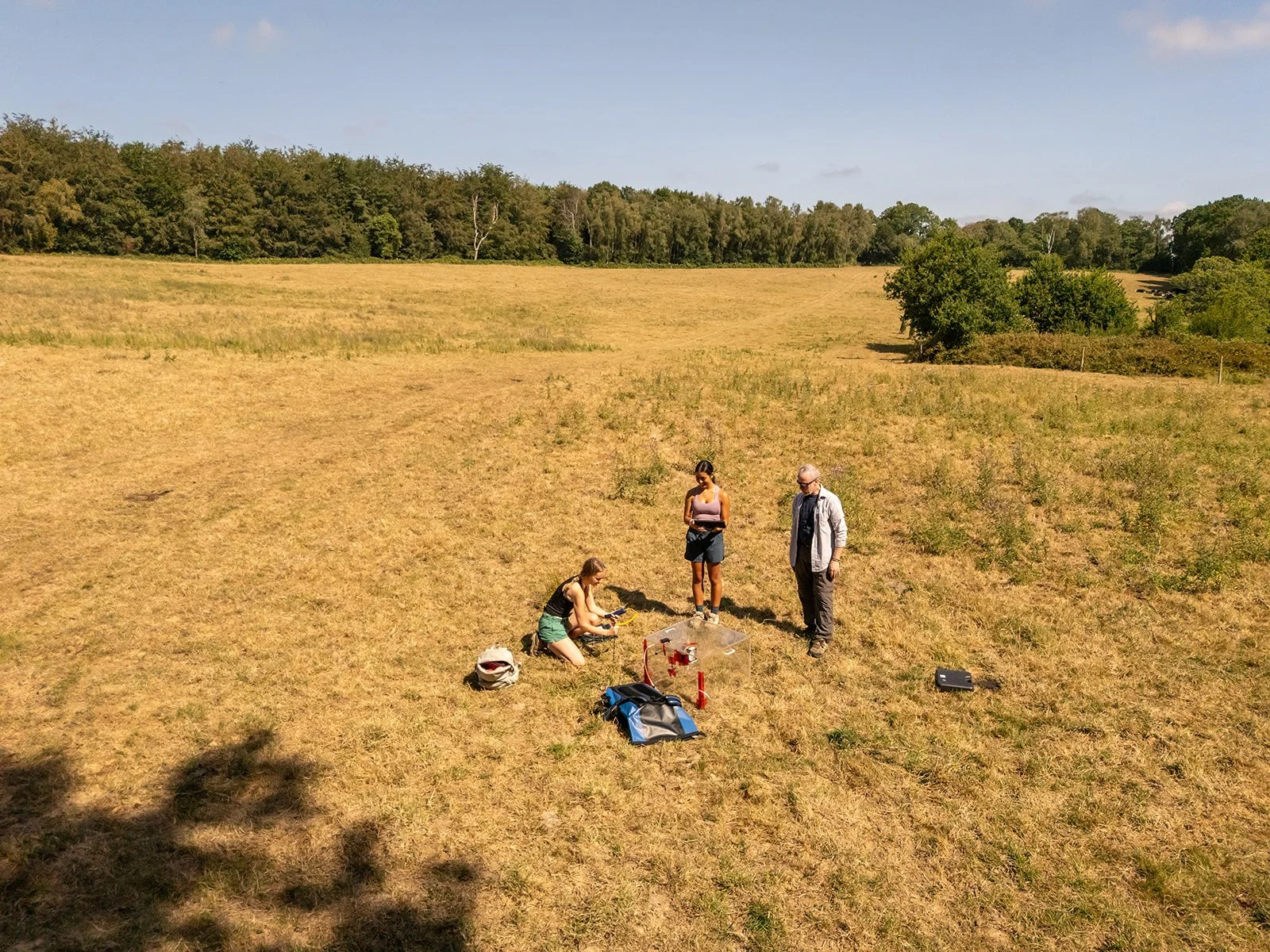
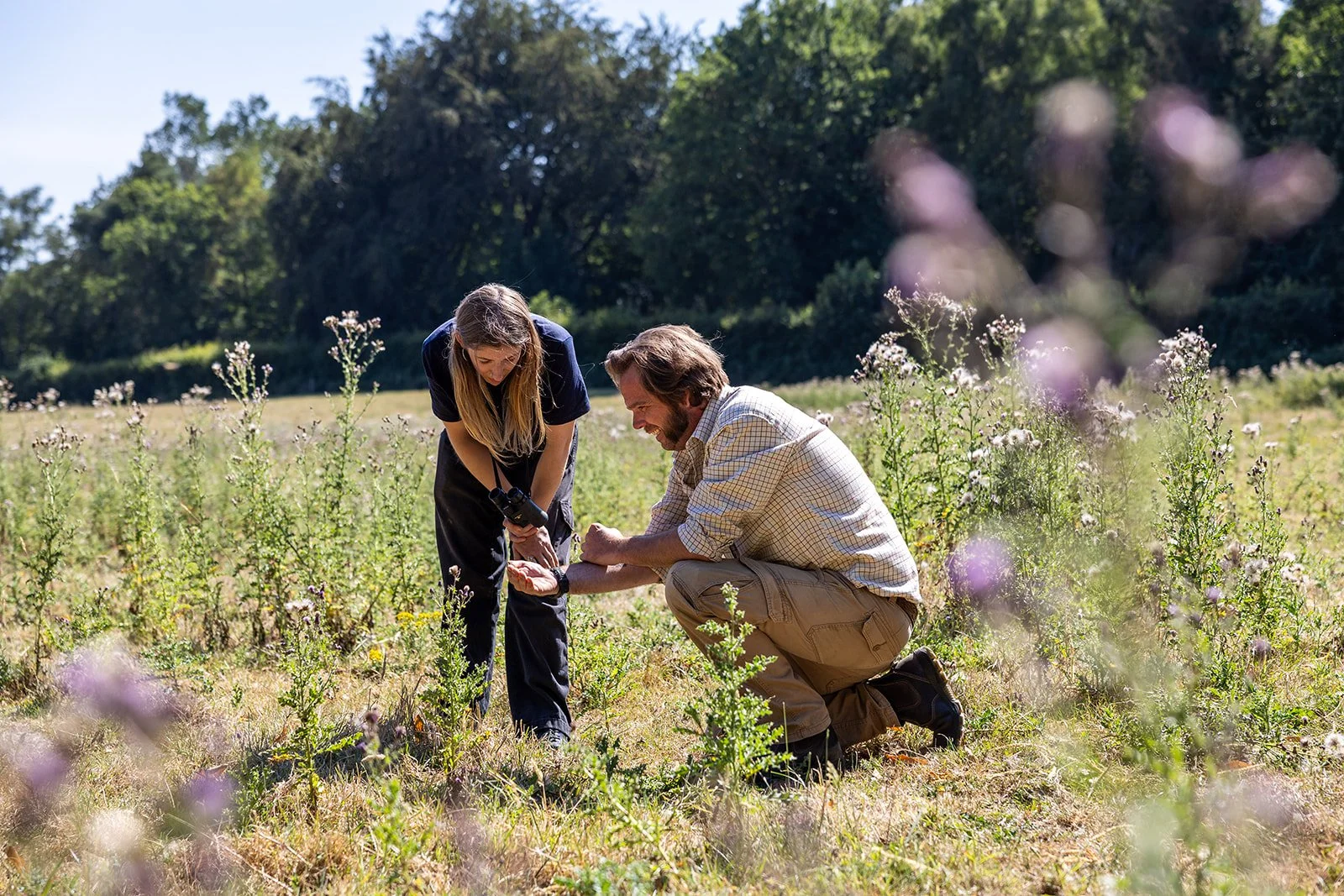
Located on the estate itself, Bader College extends Queen's global academic mission and welcomes students, researchers and faculty from around the world. The rewilding project will provide long-term opportunities for research, teaching and international collaboration, supported by ecological data gathered through Nattergal's Natural Capital Monitoring programme.
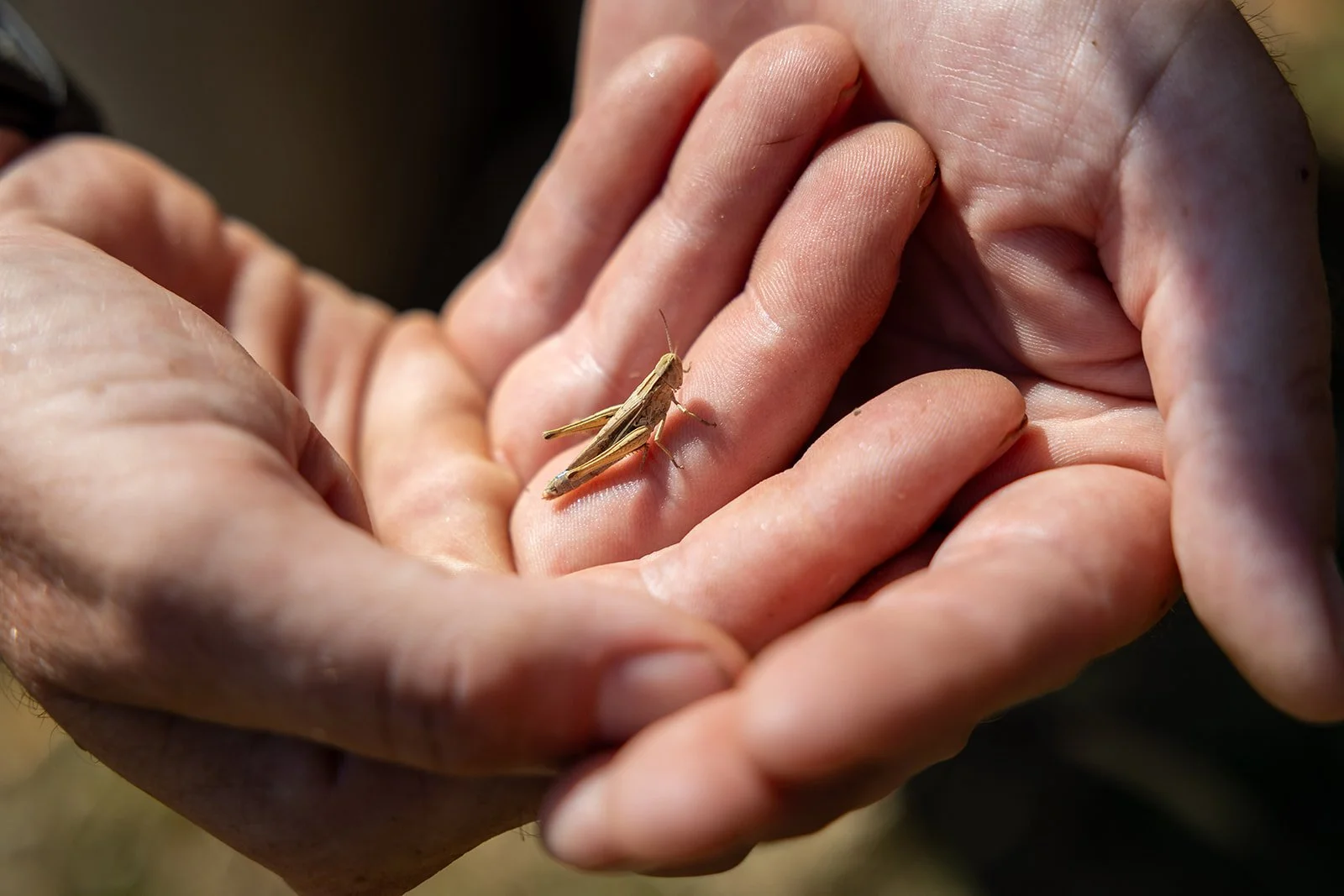
As habitats recover and evolve, the landscape will become a living classroom where students and researchers can explore ecosystem restoration, biodiversity recovery, natural capital and environmental stewardship in real time.
A remarkable place with a rich history
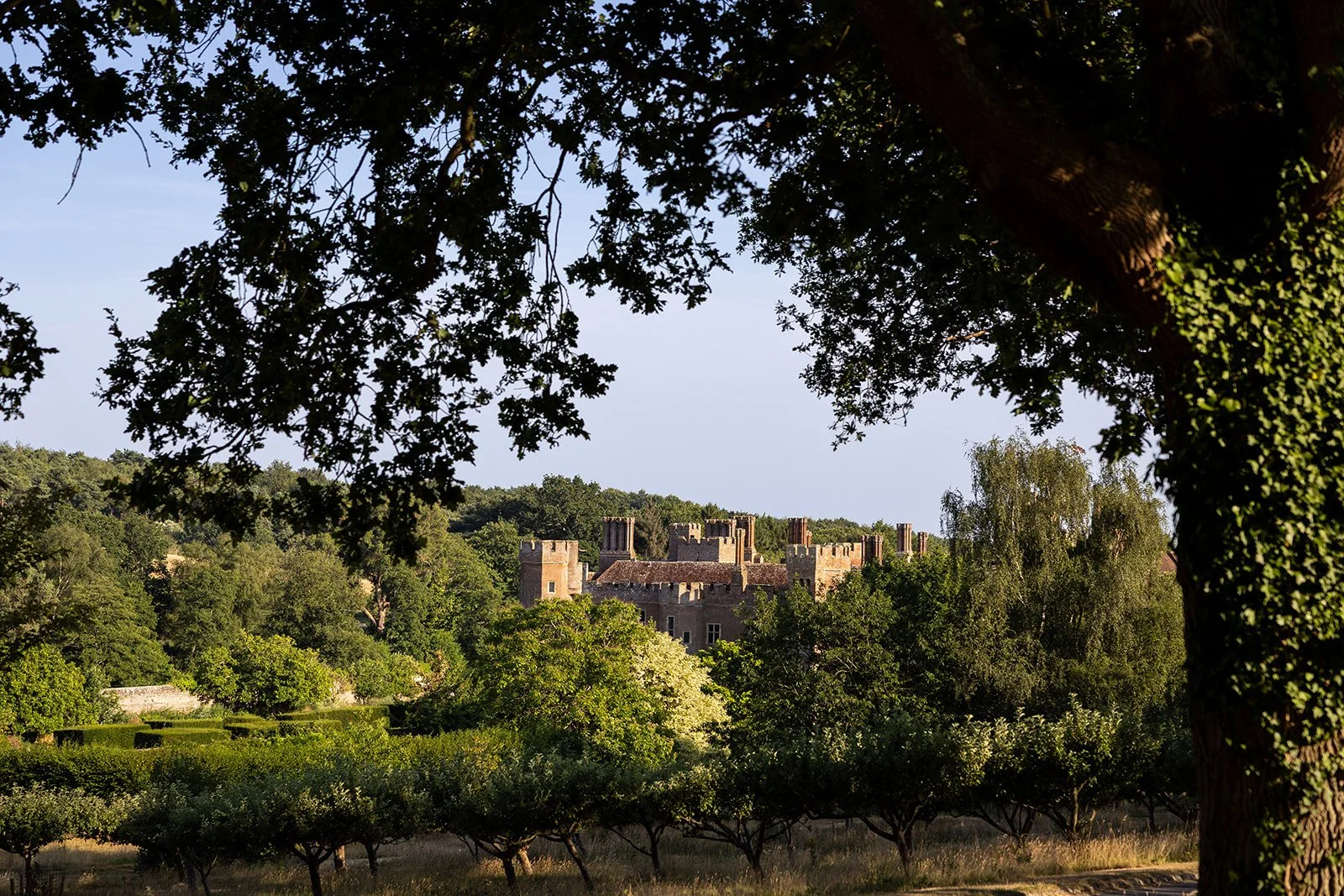
Herstmonceux Castle Estate brings together heritage, landscape, education and community in one extraordinary setting.
Centred around one of England's finest moated brick castles, built in the 15th century, the estate covers more than 600 acres of gardens, woodland, parkland and managed habitats. Since 1994, the estate has been home to Bader College following the purchase of the castle by Dr Alfred Bader and Isabel Bader for Queen's University.
Today, the estate welcomes students, visitors, schools, researchers and local communities from across the world, making it an ideal setting to demonstrate how heritage, education and Nature recovery can work together.
Restoring Nature with people at its heart
Community engagement is a central part of Herstmonceux Rewilding.
The project will work with local communities, stakeholders and partner organisations to incorporate local knowledge and diverse perspectives into the restoration process. Over time, volunteer opportunities and learning experiences will help more people connect with the recovering landscape and take part in its future.
At a glance
-
240 acres
Committed to long-term rewilding and Nature recovery.
-
30+ years
Protected through a Conservation Covenant.
-
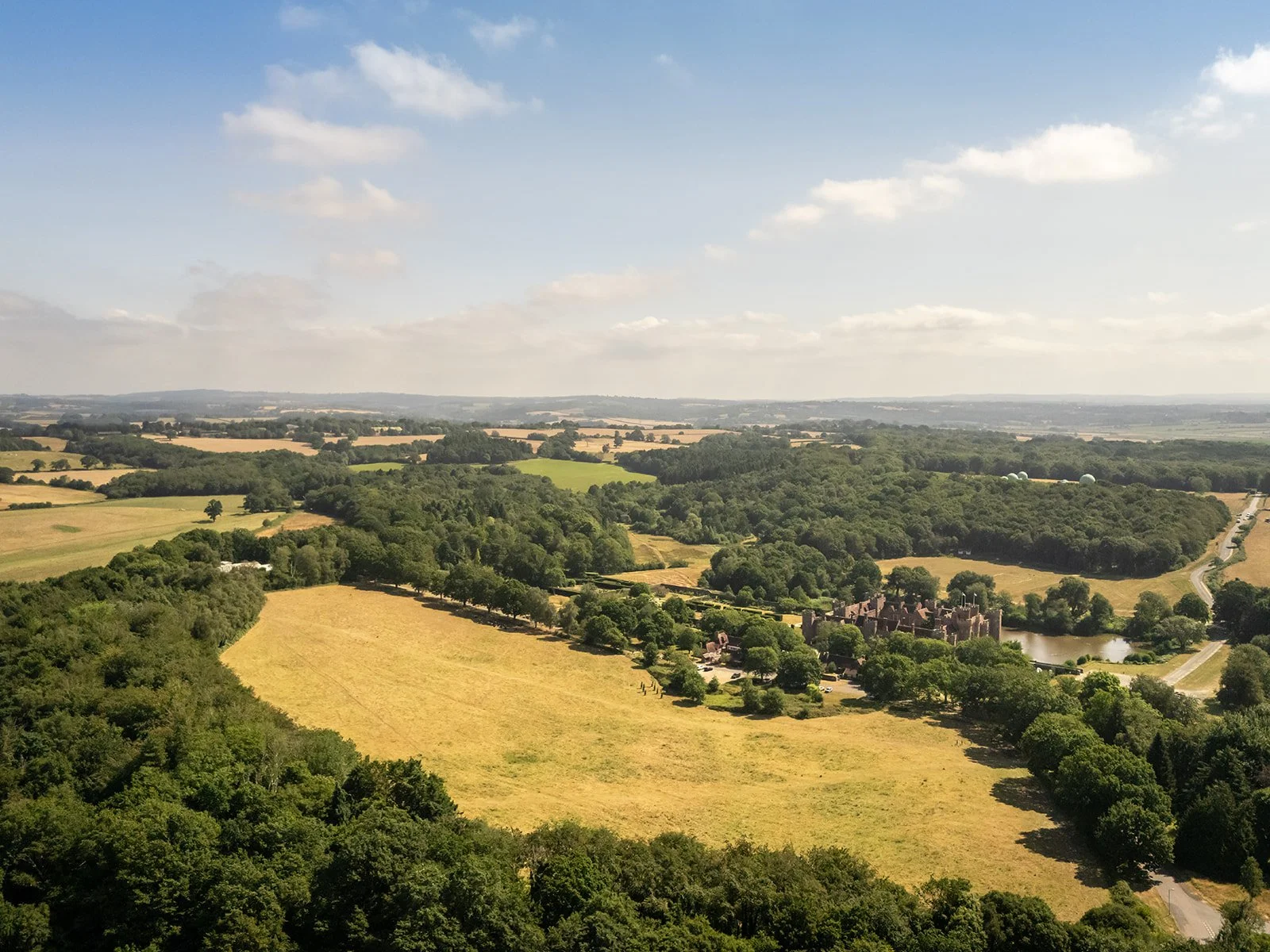
East Sussex
Creating new habitats within the historic Herstmonceux Castle Estate.
-
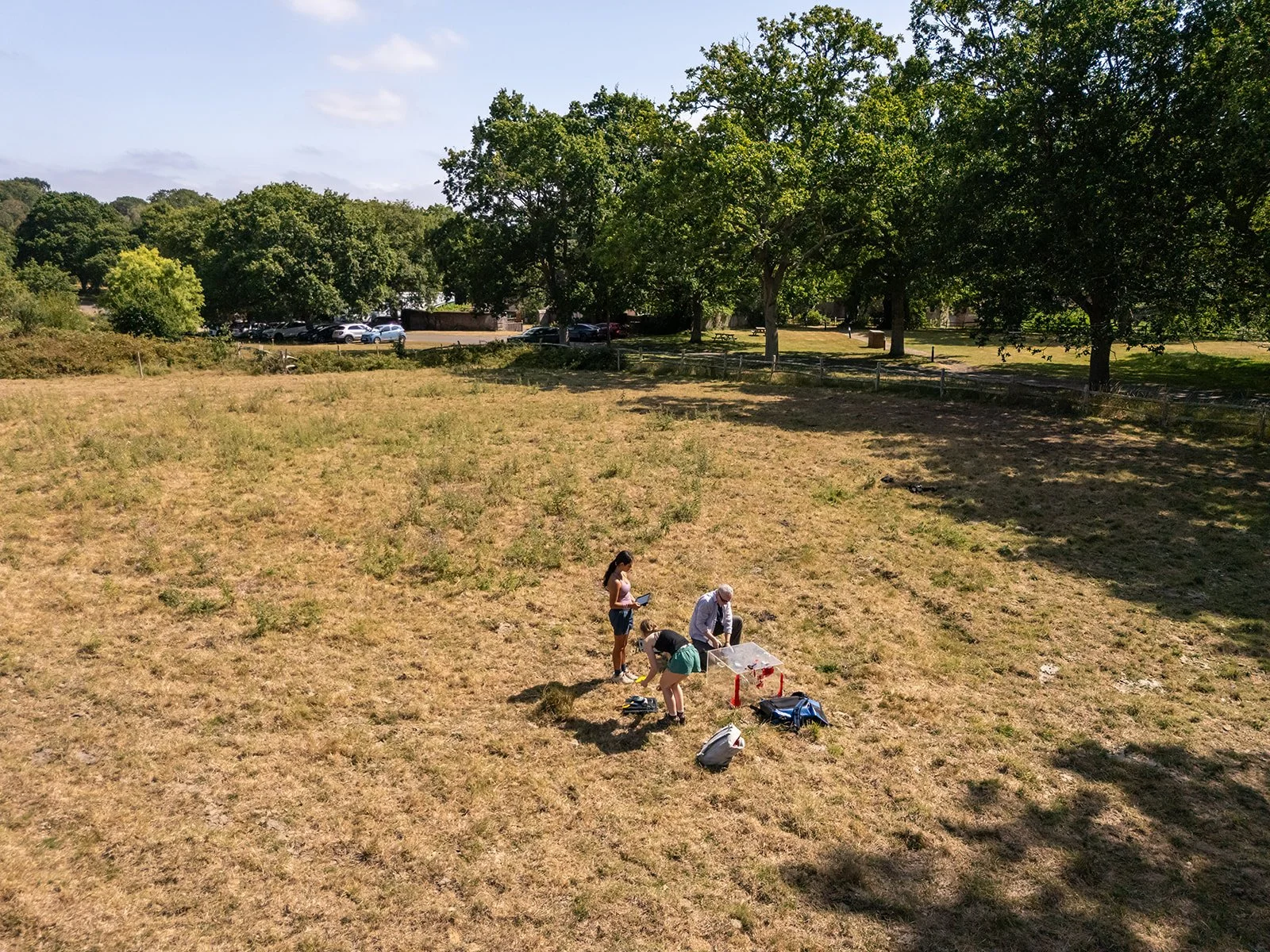
Research and learning
Supporting international education, research and scientific collaboration.
-
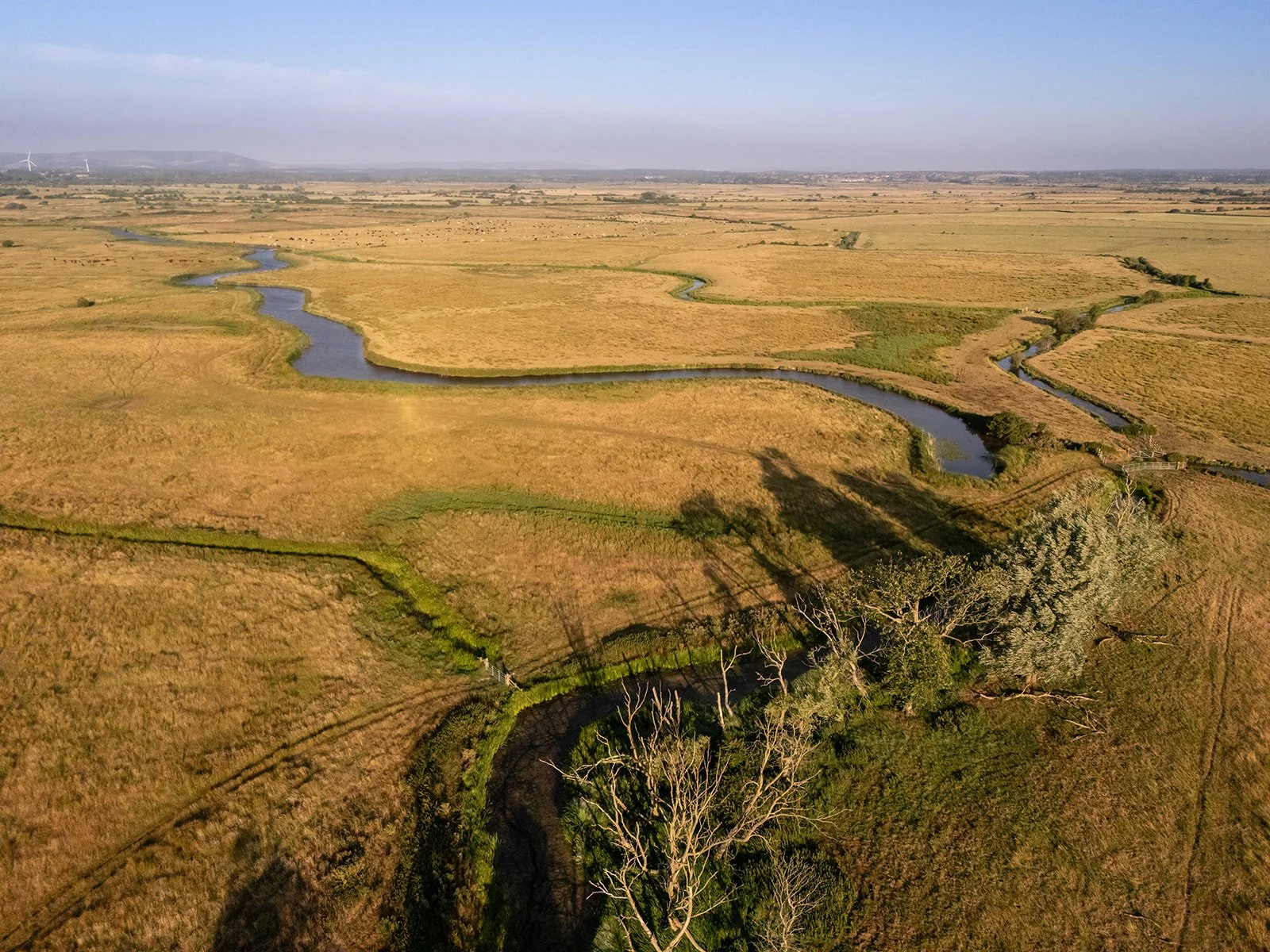
Biodiversity Net Gain
Helping fund large-scale Nature recovery through private investment.
Looking ahead
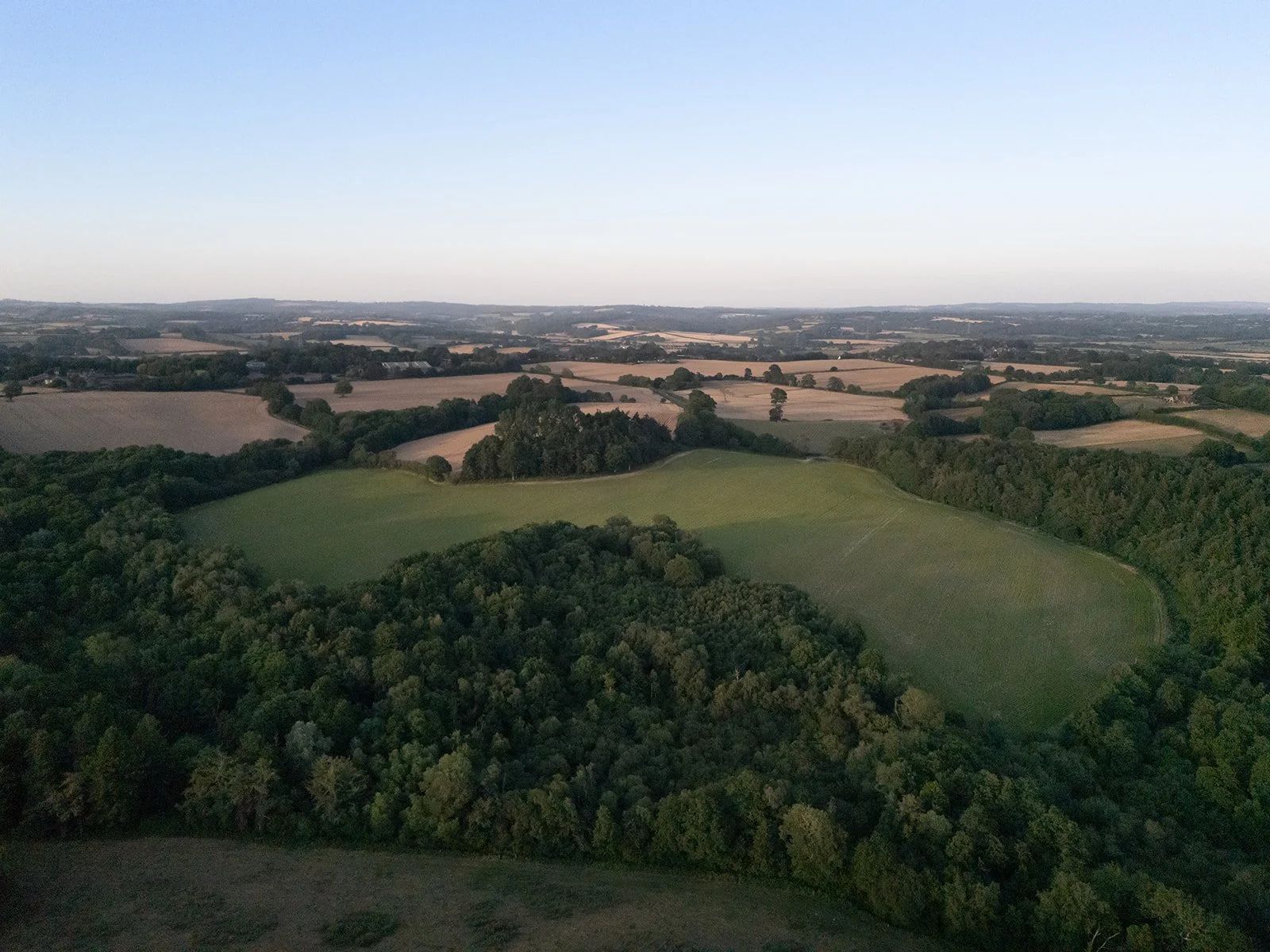
Herstmonceux Rewilding represents a new chapter for both the estate and Nature recovery in the South East.
By combining landscape-scale restoration, long-term conservation, academic research and community engagement, the project demonstrates how Nature can be restored in ways that deliver environmental, educational and social value. It is a model that connects people and place, creating a landscape that will continue to evolve, inspire and support biodiversity for decades to come.
Visit Herstmonceux Castle
Herstmonceux Castle, Hailsham, East Sussex, BN27, 1RN
Nearest train station: Polegate (about 4 miles or 35-minutes away) and Battle (about 20 minutes away)
More to Explore
Nattergal’s first site:
Boothby Wildland
BNG: High Integrity Biodiversity Net Gain
